To explore the areas of Novi Sad means to listen to its messages of multiculturality, to feel its multiple voices and faces, above all, it is to solve a puzzle yet to be understood. It is not a difficult task, you just need to come and stay for a while. You can not explore Novi Sad’s spaces and stories for one, two nor three days, however you can sense the uniqueness of its everyday life, kindness of its inhabitants, and remember it as an experience that you want to feel time and time again.
Novi Sad in three days
Day one
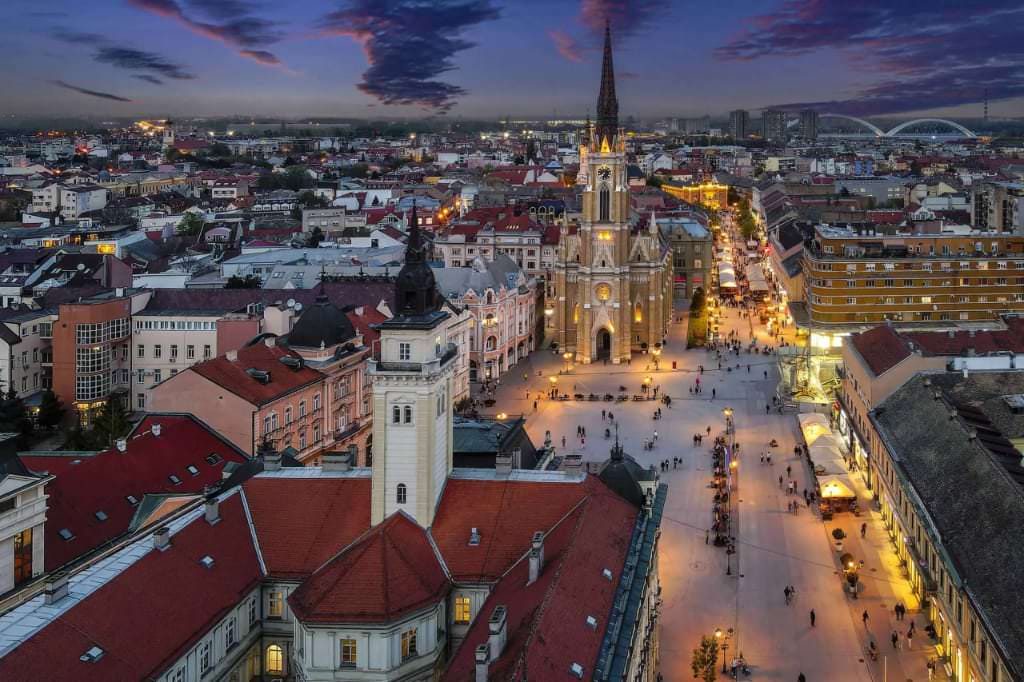
Take a walk through the Old Town
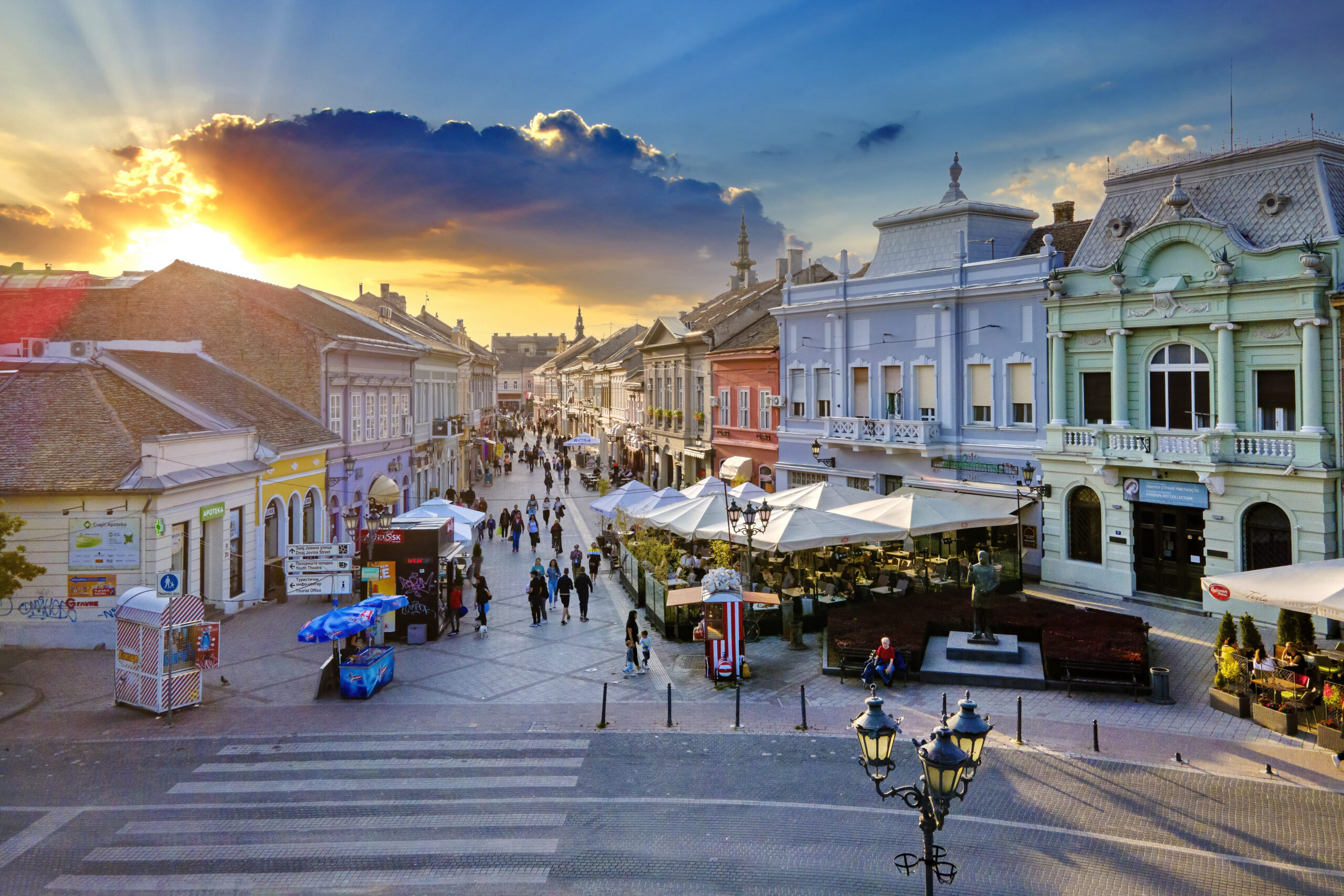
We suggest that you start exploring the city from Trg Slobode (Liberty Square) by visiting the Info Centre of the Tourism Organisation of the City of Novi Sad, where you will receive all the necessary information about the tourist offer and events in the city, collect brochures and maps, as well as see our current exhibition.
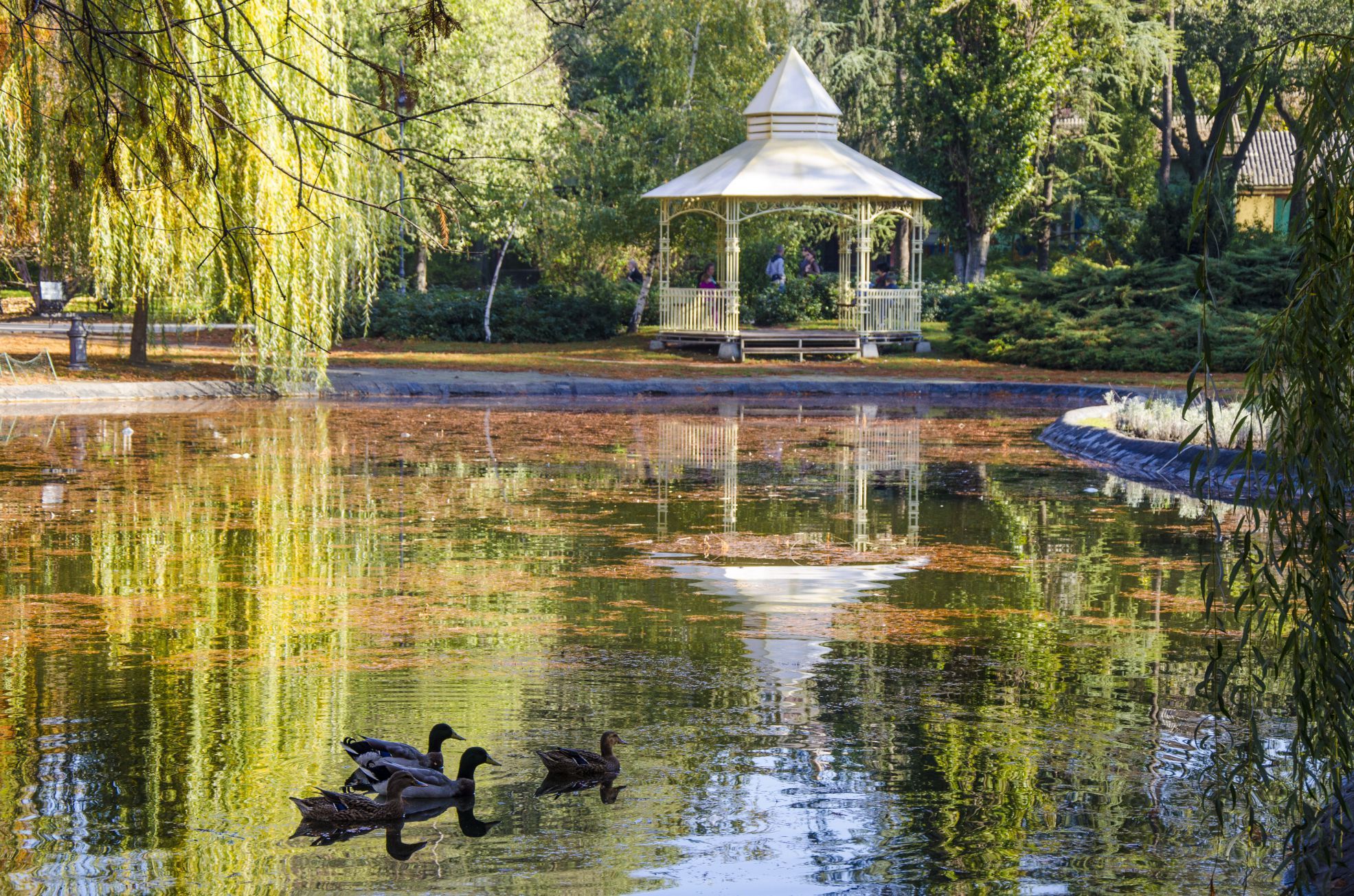
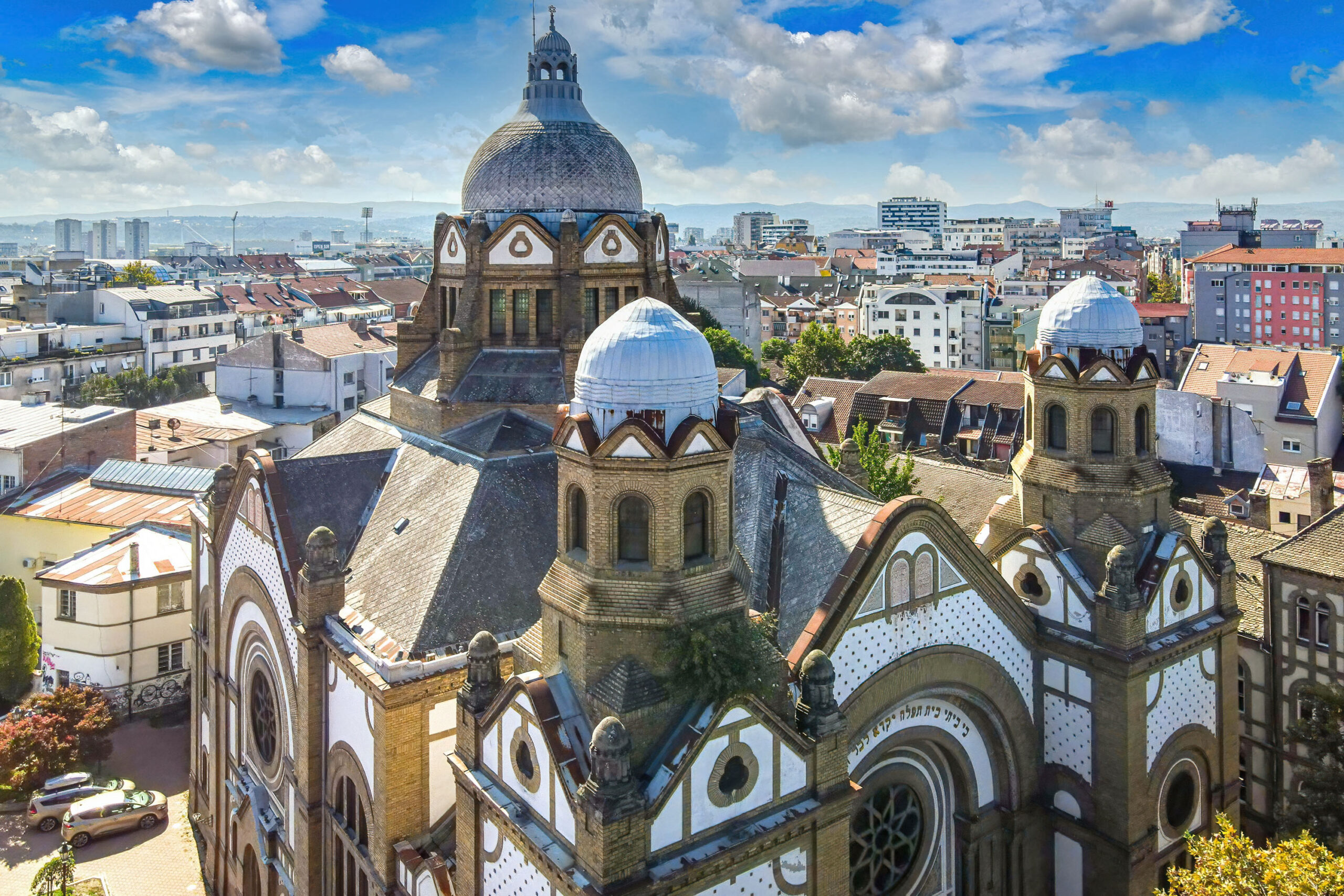
The Old Town of Novi Sad is a kind of exhibition space in itself, a collage of architectural styles, from Baroque to modern. Liberty Square is surrounded by important historical buildings: the City Hall, the Roman Catholic Church of the Name of Mary, the “Iron Man Palace”, and the Novi Sad Synagogue is nearby as well. Today, the old buildings of the central city streets, Zmaj Jovina and Dunavska, are full of restaurants, souvenir shops, craft shops, bookstores, but also hidden passages that exude the city’s relaxed atmosphere. At the end of Zmaj Jovina Street is the Ortodox Bishop’s Palace, next to which is the Serbian Orthodox Church of St. George (Cathedral Church). The pedestrian zone ends with the Dunavski Park, a green oasis in the city centre, recognisable by its pond that holds the islet with the weeping willow.
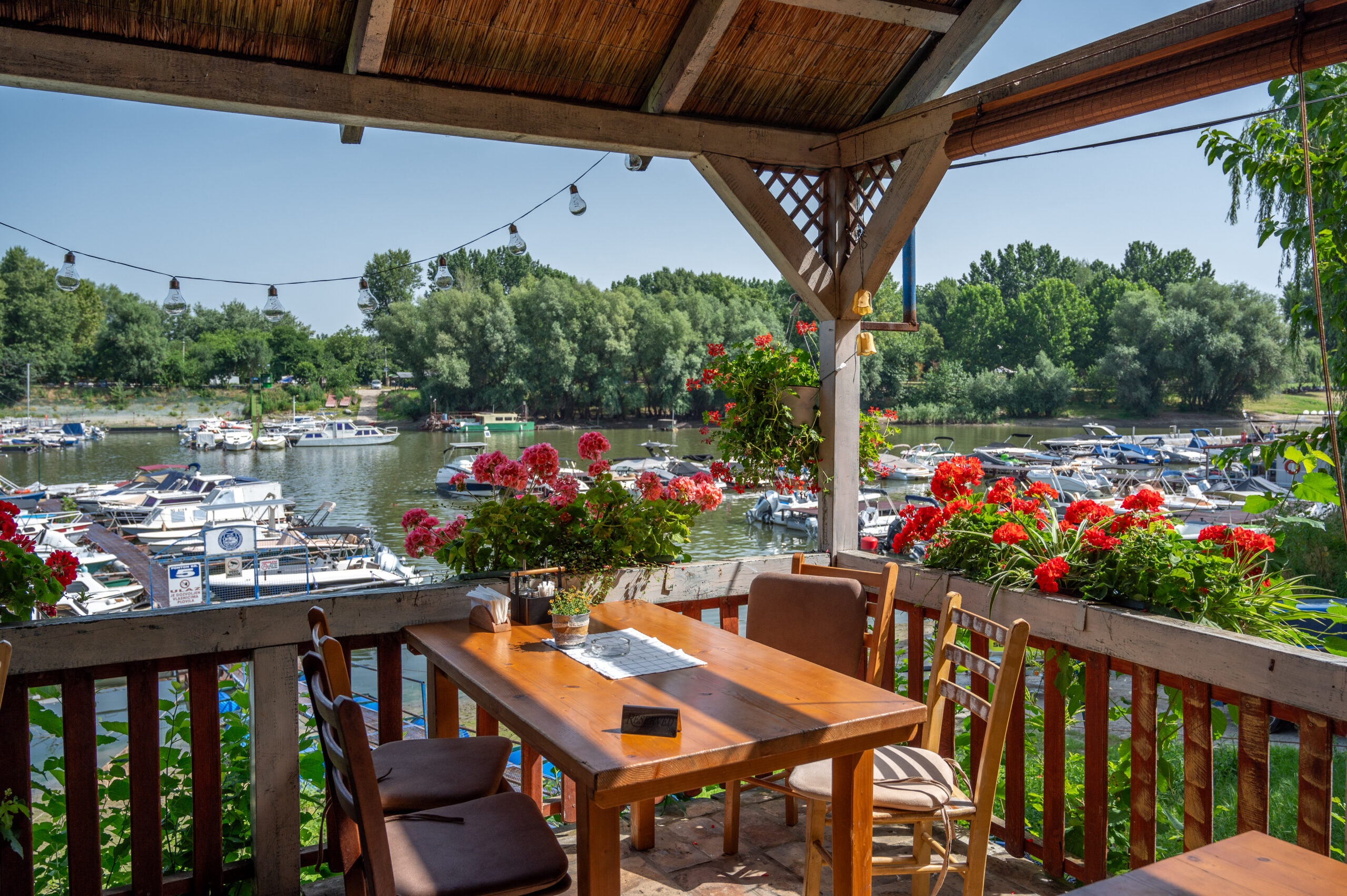
We suggest that you take a break for lunch in one of the city centre restaurants. For those who love fish specialties, there are traditional riverside restaurants, known as čarde, on both sides of the Danube and at Ribarsko Ostrvo (Fisherman’s Island).
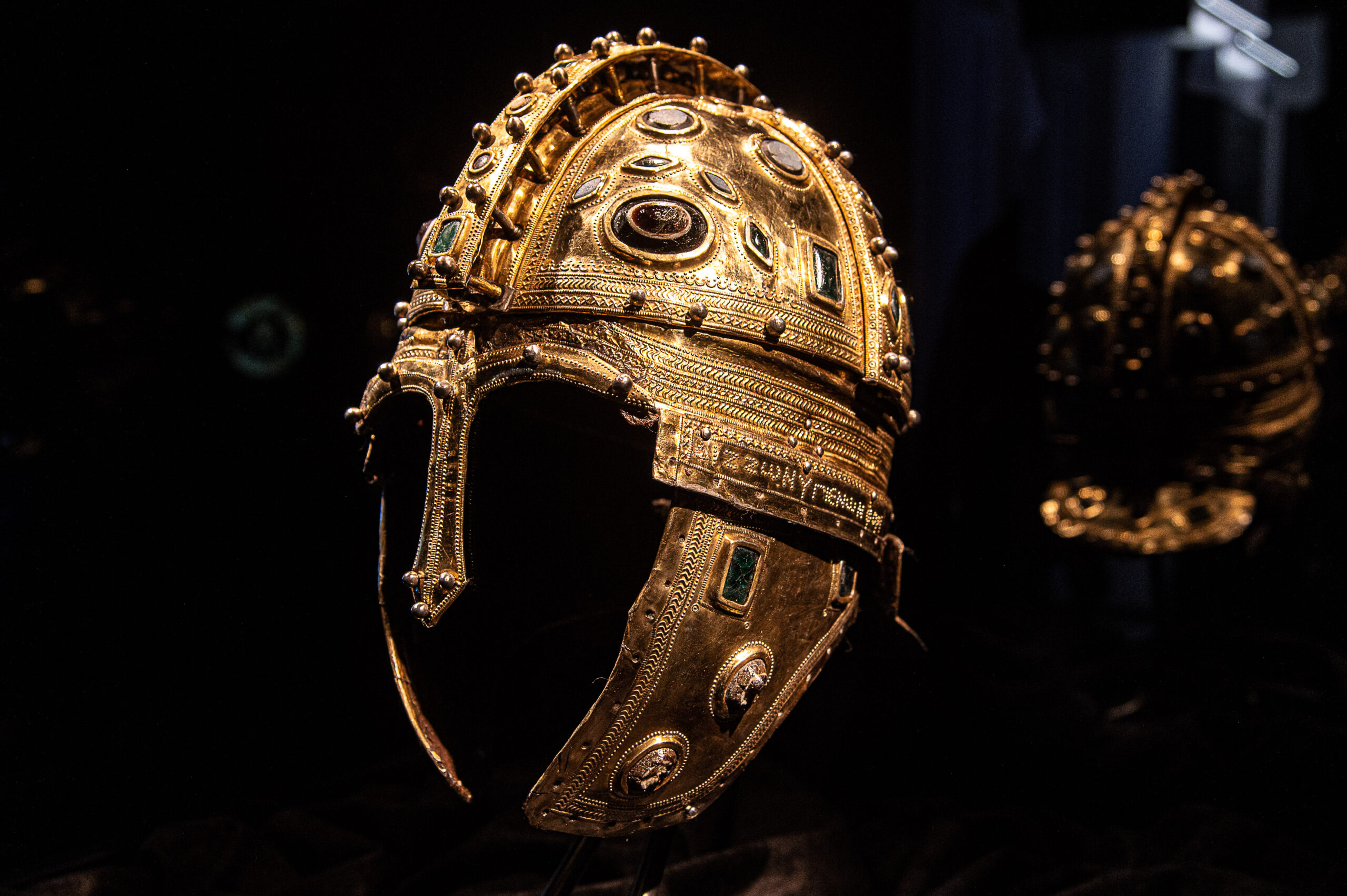
- Be sure to visit the Museum of Vojvodina, which keeps a large number of items from the province, from the Paleolithic to the 20th century, in three basic collections: archaeological, historical and ethnological.
- The Collection of Foreign Art with sculptures, stylish furniture and paintings by Italian, Flemish, Dutch and French artists is one of the most extensive in the country.
- With its permanent exhibition, the Gallery of Matica Srpska takes you on a journey through three centuries of Serbian art – from the icon paintings of the 18th century to the modernisms of the 20th
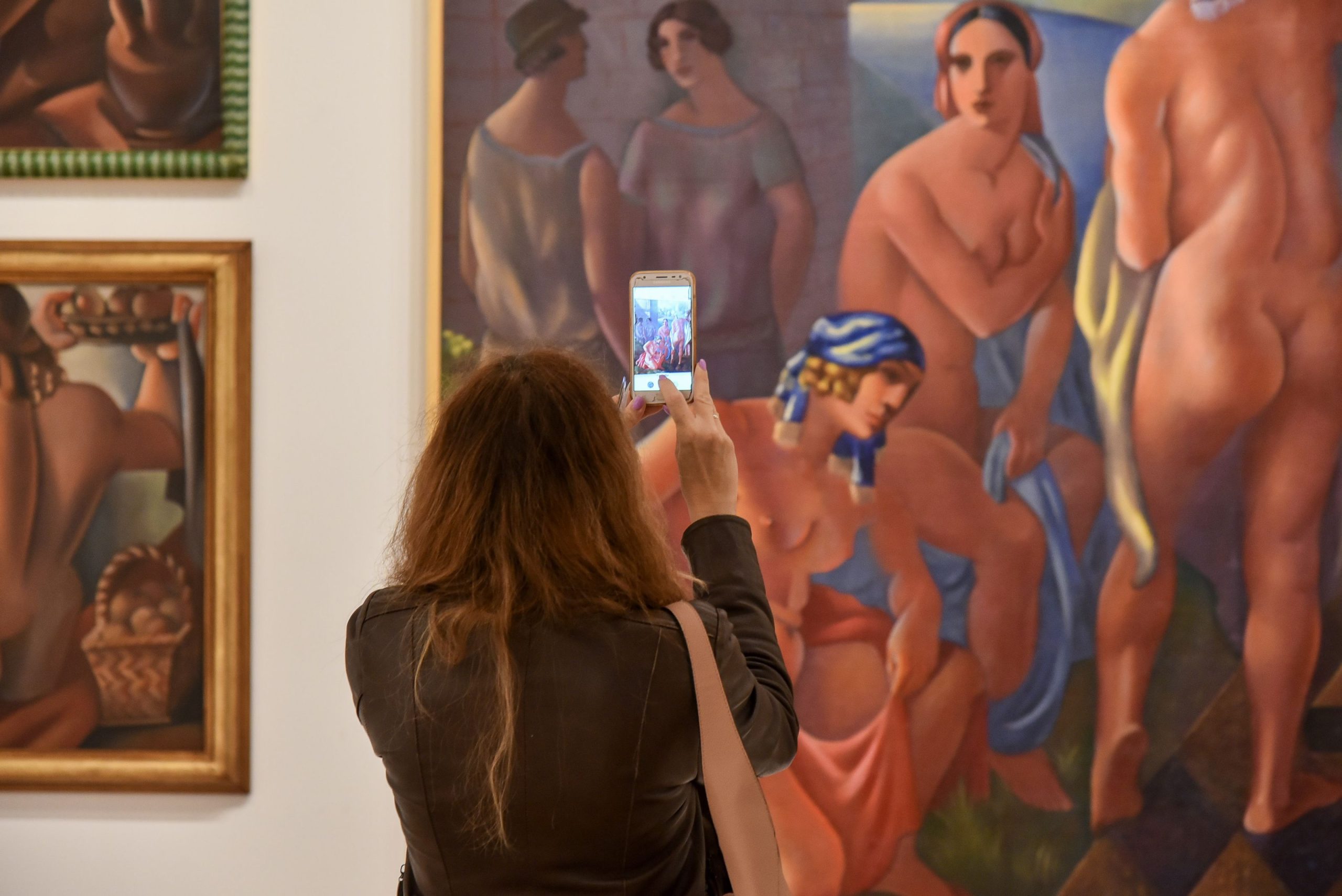
- The representative works exhibited in the Pavle Beljanski Memorial Collection will give you an excellent overview of Serbian modern art of the 20th
- Get acquainted with the unique museological exhibition of the Tamburica Fest Museum, dedicated to the tamburica (a traditional string instrument), which encompasses more than two centuries of its tradition in Vojvodina.
- Head to the Creative District, which exudes youthful energy, and “recharge your batteries” in the spaces of former factories, now home to concerts of rock and alternative bands, various festivals, workshops, exhibitions, and bazaars.
Day two
Explore Petrovaradin Fortress
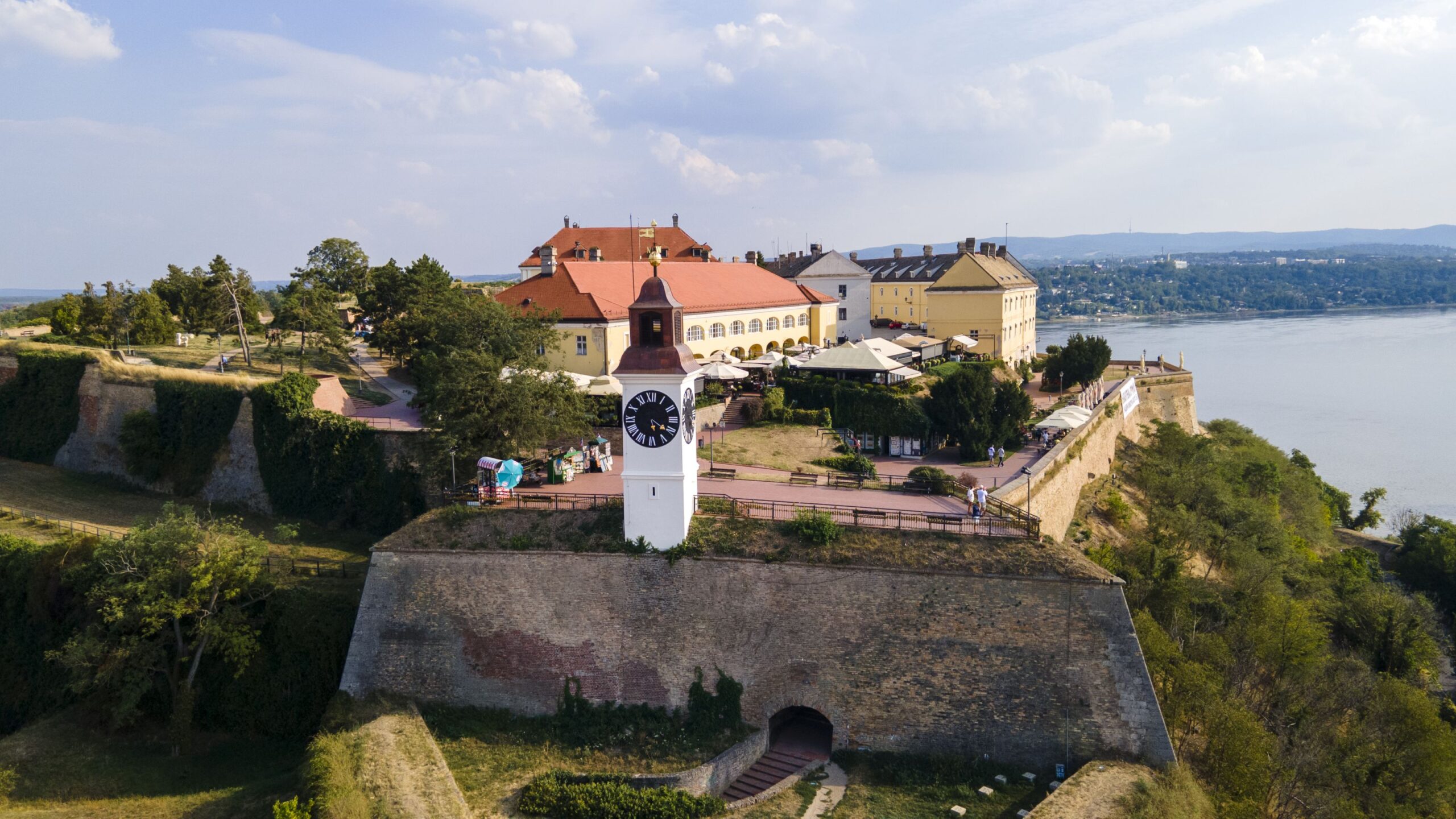
Petrovaradin Fortress is one of the largest and best preserved fortresses in Europe. It was built for the defensive purposes of the Austro-Hungarian Empire, and today its spaces host art studios, the Museum of the City of Novi Sad, Atelier 61, A Centre for Tapestry Art, the Space Museum, the Academy of Arts, restaurants, and cafes.
The Upper Town of the Fortress is dominated by the most recognisable symbol of Novi Sad – the Clock Tower, and the plateau on which it is located offers the most beautiful view of Novi Sad and the Danube.
At the foot of the fortress is the Lower Town, affectionately called Gradić (Townlet), a romantic baroque quarter of colorful facades, intersected by narrow streets. The Roman Catholic Church of St. George with its crypt and the vividly painted Serbian Orthodox Church of St. Paul the Apostle give it a special air of mystique.
Stop and indulge in the tastes of Vojvodinian specialties in one of the restaurants on the Terrace of the Upper Town of the Fortress, where tamburica music is still nurtured today, made famous by Janika Balaž and the “Eight Tamburica Players from Petrovaradin” orchestra.
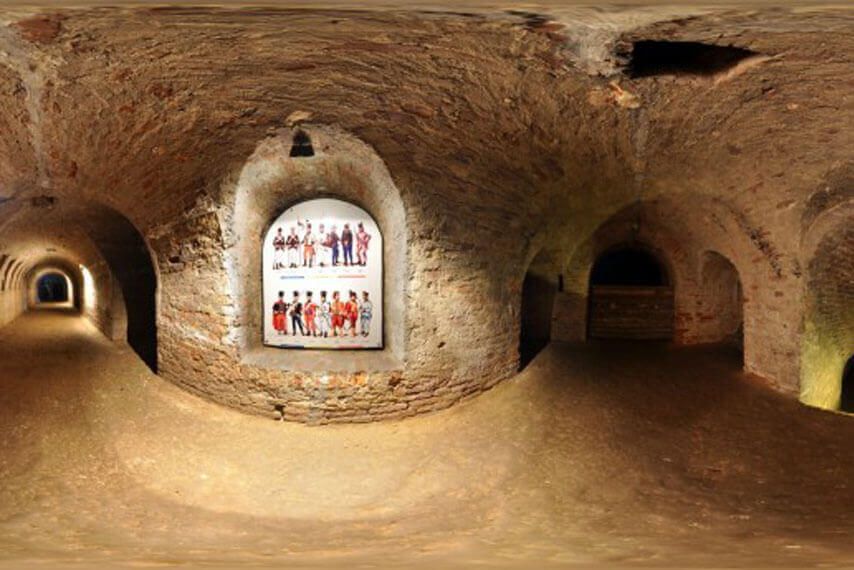
- Visit the Museum of the City of Novi Sad and get acquainted with the way of life and culture of the inhabitants of Novi Sad in the period from the 18th to the 20th On a tour through the Underground Military Galleries, learn about the concept of defending the fortress, the construction of which took almost a century.
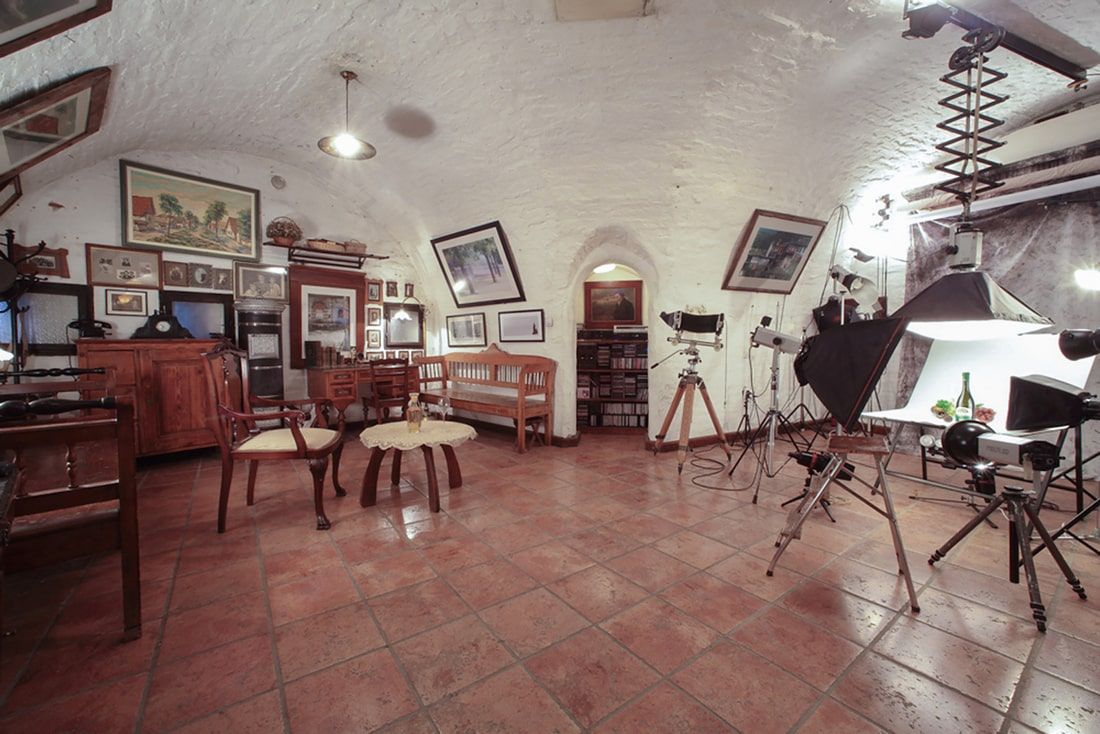
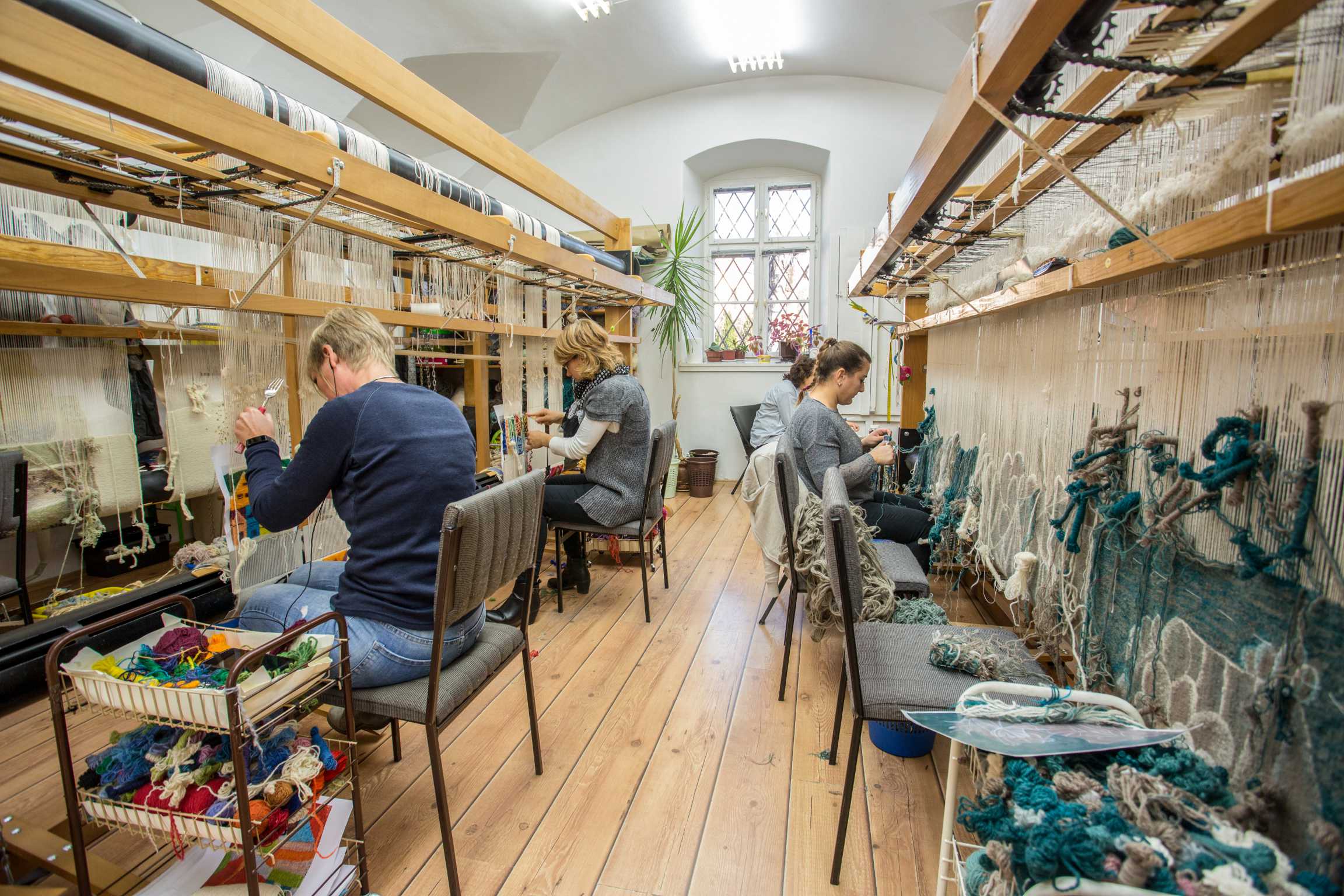
- In Atelier 61 you can see the National Tapestry Collection, which is considered one of the most extensive in this area. The fortress also houses numerous studios of artists of the Likovni krug
- Discover the wonders of science at the Space Museum and experience fun interactive content at two locations – the Planetarium and the Tunel Get ready to embark on an unforgettable journey through the secrets of the universe.
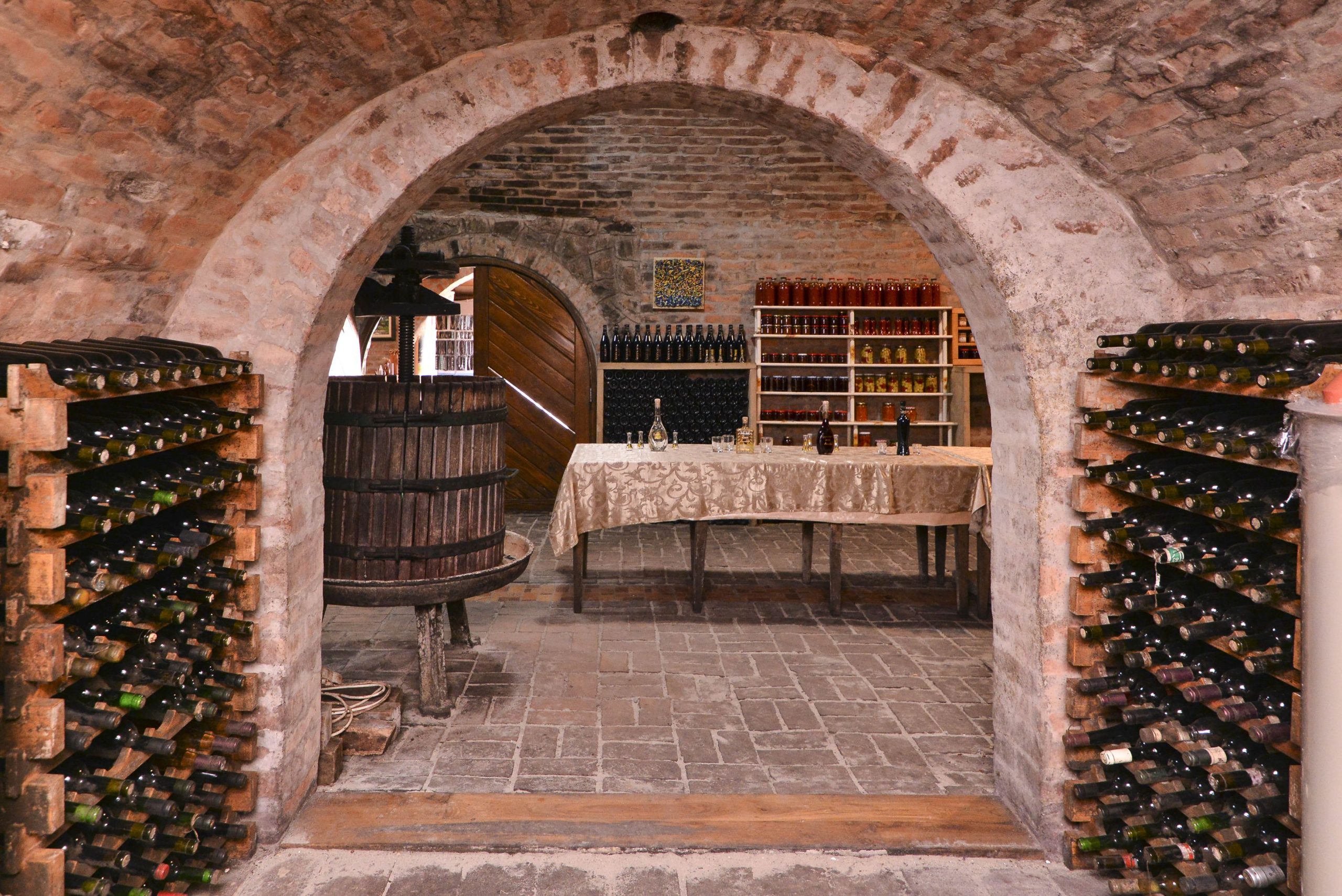
- Visit the wineries of the Novi Sad Wine Route, and learn about the tradition of viticulture in small family wineries. Upstream from Novi Sad, there are wineries in Sremska Kamenica (Šukac Cellar), Ledinci (Miljević Winery and Antonijević Family Winery), Rakovac (Dumo Winery, Salaxia Winery and Imperator Organic Winery), while on the Bačka side there is a winery in Begeč (Vojnović Winery).
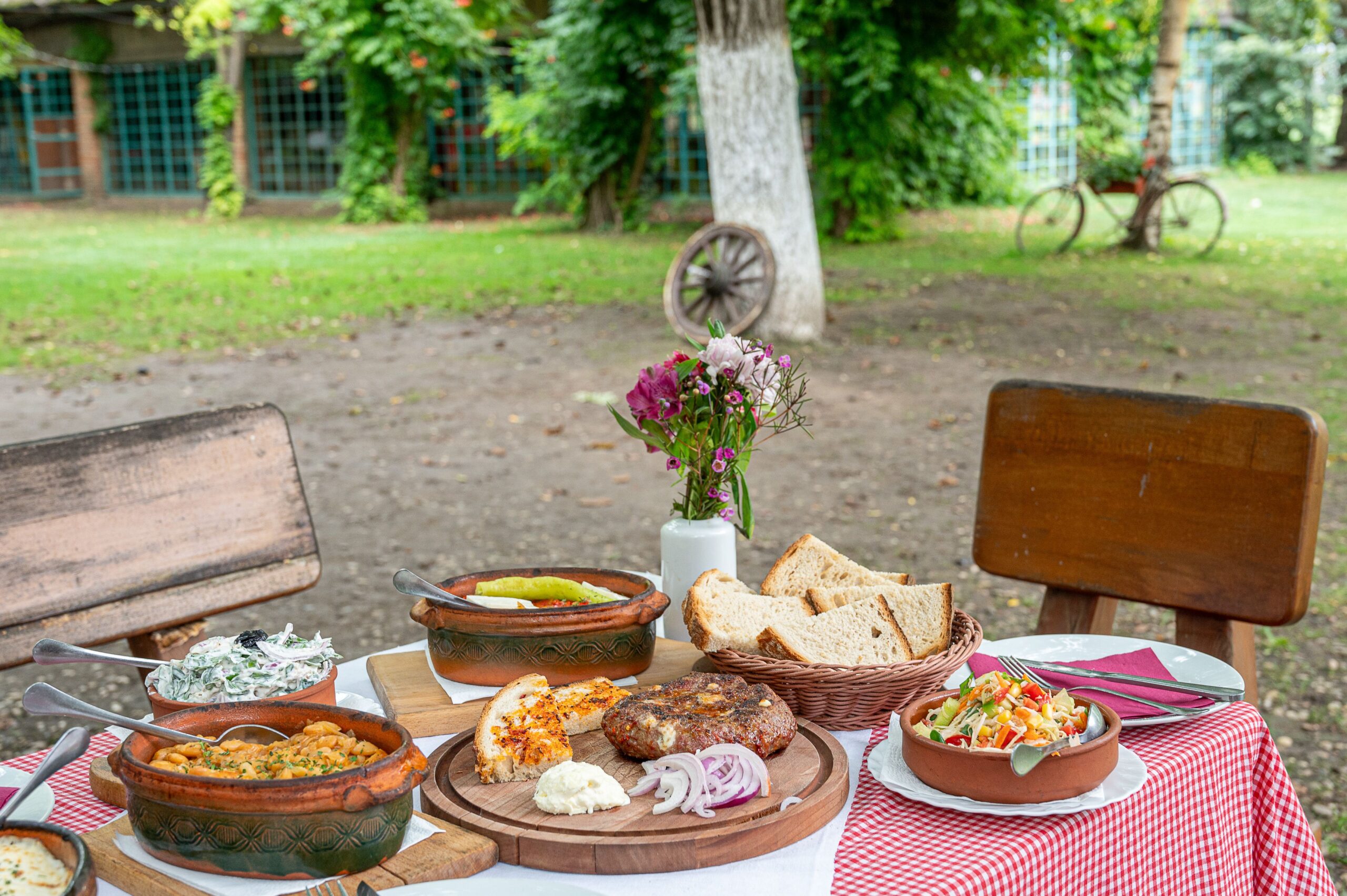
- Feel the spirit of the plains and times long past on one of the salaši (traditional farmsteads) in Čenej, with the sounds of tamburica and Vojvodinian specialties. Take a carriage ride or simply relax under the canopies of century-old trees.
Day three
Embark on an adventure on Fruška Gora
Sremski Karlovci, Vrdnik, various recreational areas, lakes, and hiking trails on Fruška Gora, as well as the numerous monasteries of the Serbian Orthodox Church, offer opportunities for eventful excursions. Here are some of our suggestions on how to spend your time on the third day.
Sremski Karlovci and its surroundings
Downstream from Novi Sad, on the eastern slopes of Fruška Gora lies the fairy-tale town of Sremski Karlovci, a long-standing cultural and spiritual centre of Serbs in Austro-Hungary.
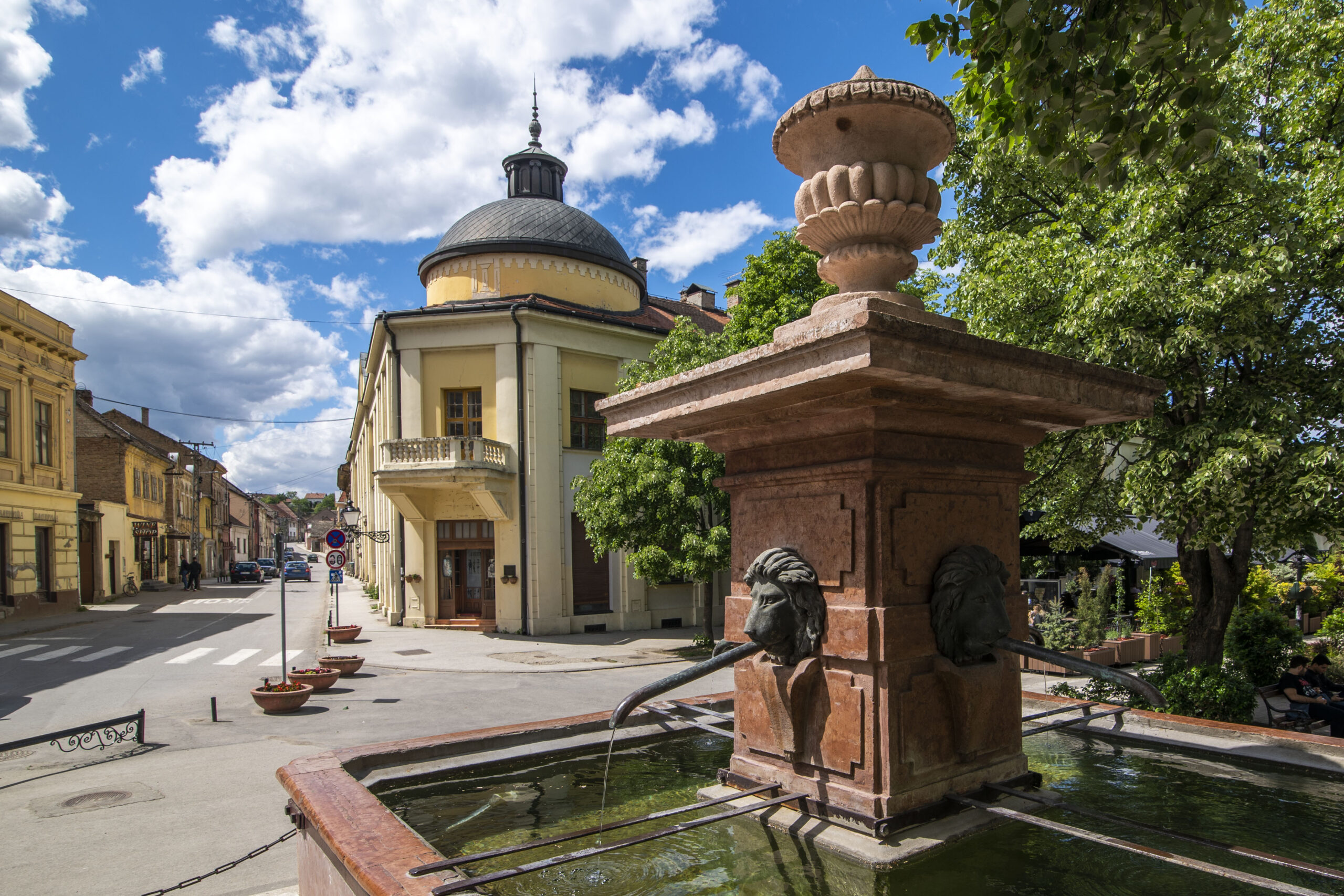
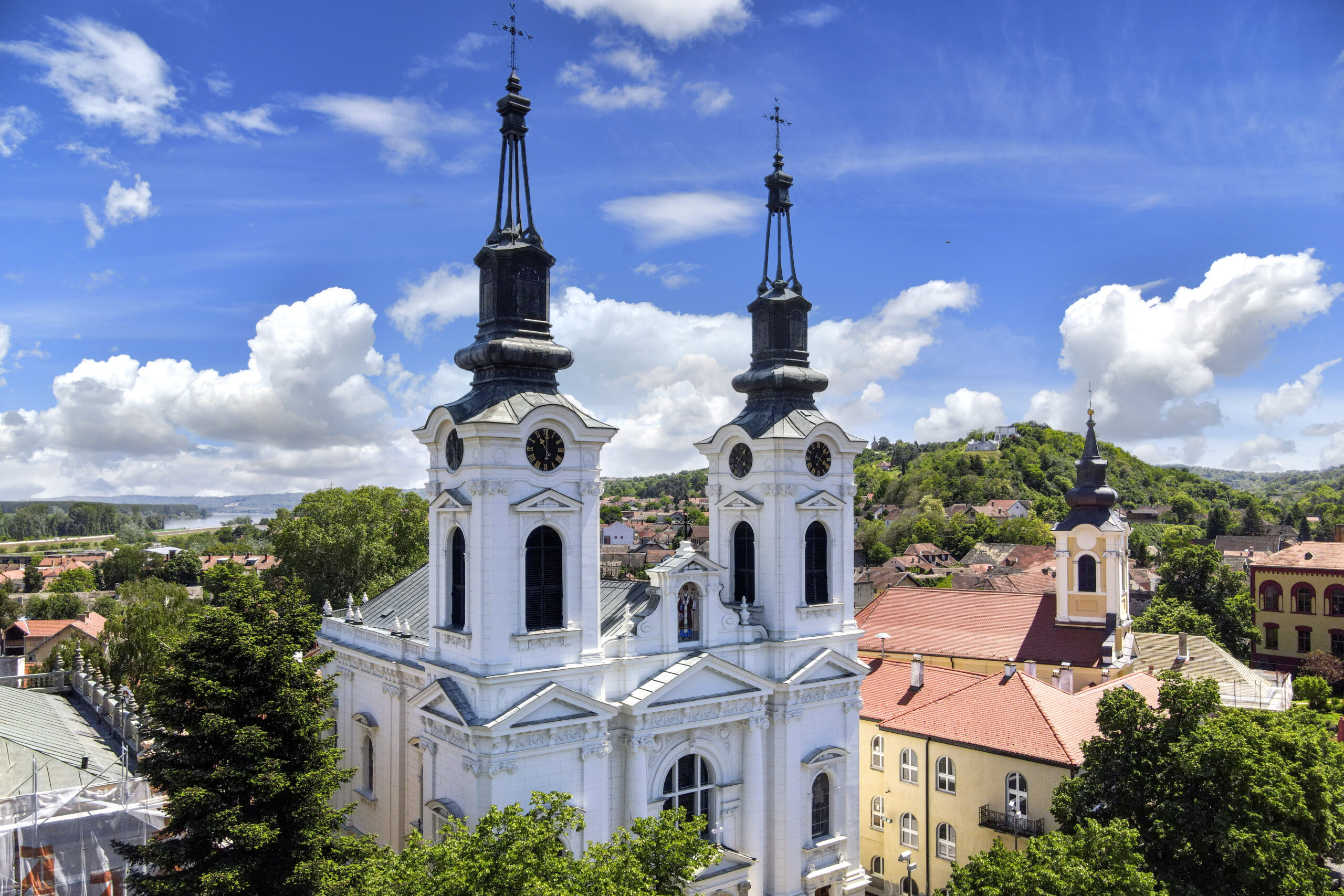
A tour of Sremski Karlovci takes about two hours of easy walking. The Seminary, Ortodox Patriarch’s Palace, the Cathedral Church of St. Nicholas, the “Four Lions” fountain, the Karlovci Grammar School and the Chapel of Peace are well-known symbols of the city.
Bermet, the aromatic dessert wine made the Karlovci winemakers famous. In the numerous wineries in the centre and in the Karlovački Mir Street, you can taste the wines of this region.
- Climb the Donkey Hill where you will find Duškov viewpoint, a place from which you can enjoy the view of Sremski Karlovci.
- The Museum of Beekeeping is a famous Karlovci place that, in addition to excellent wines and honey, preserves the traces of the history of the development of winemaking and beekeeping.
- On the bank of the Danube, you can enjoy one of the restaurants or go sailing on a catamaran.
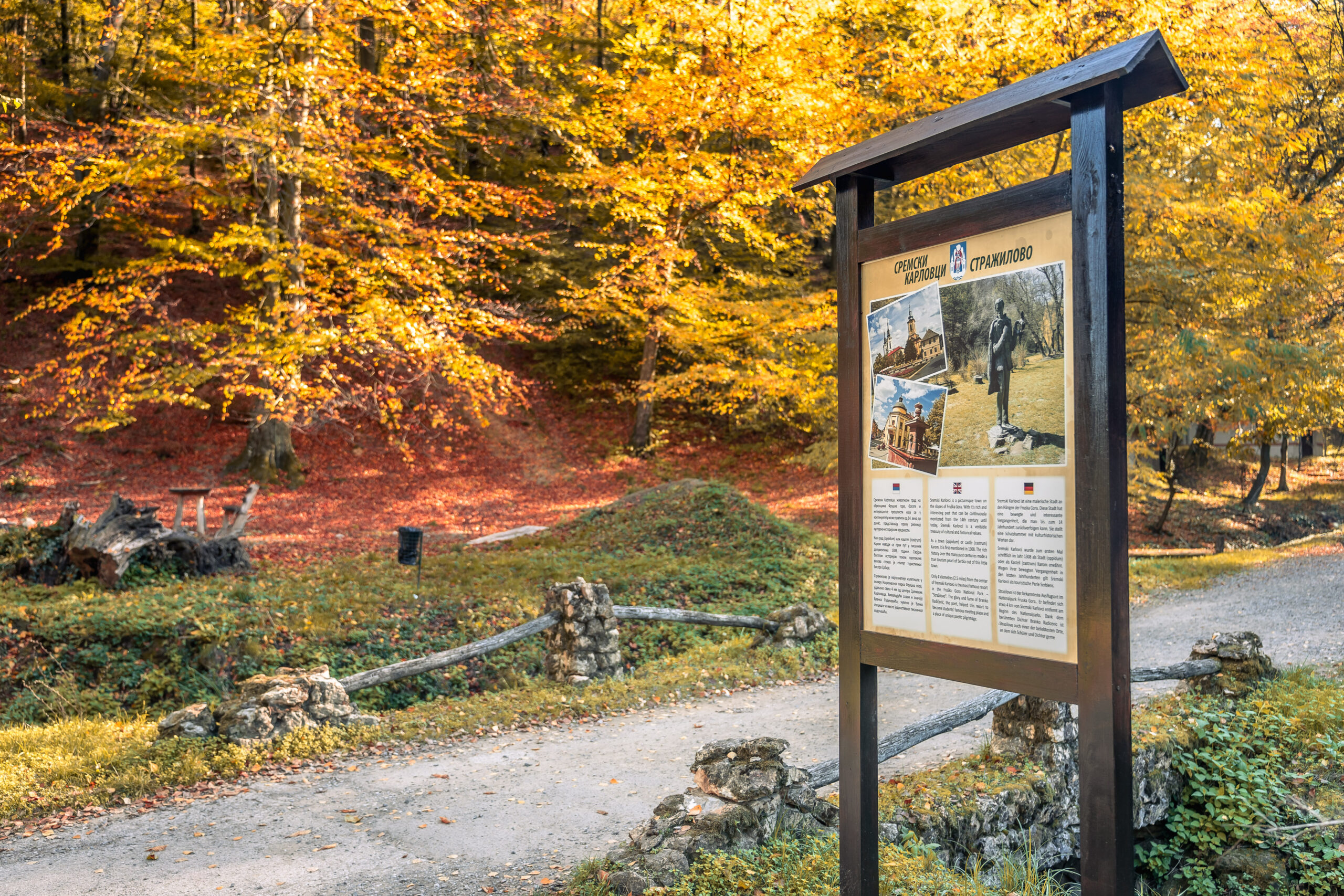
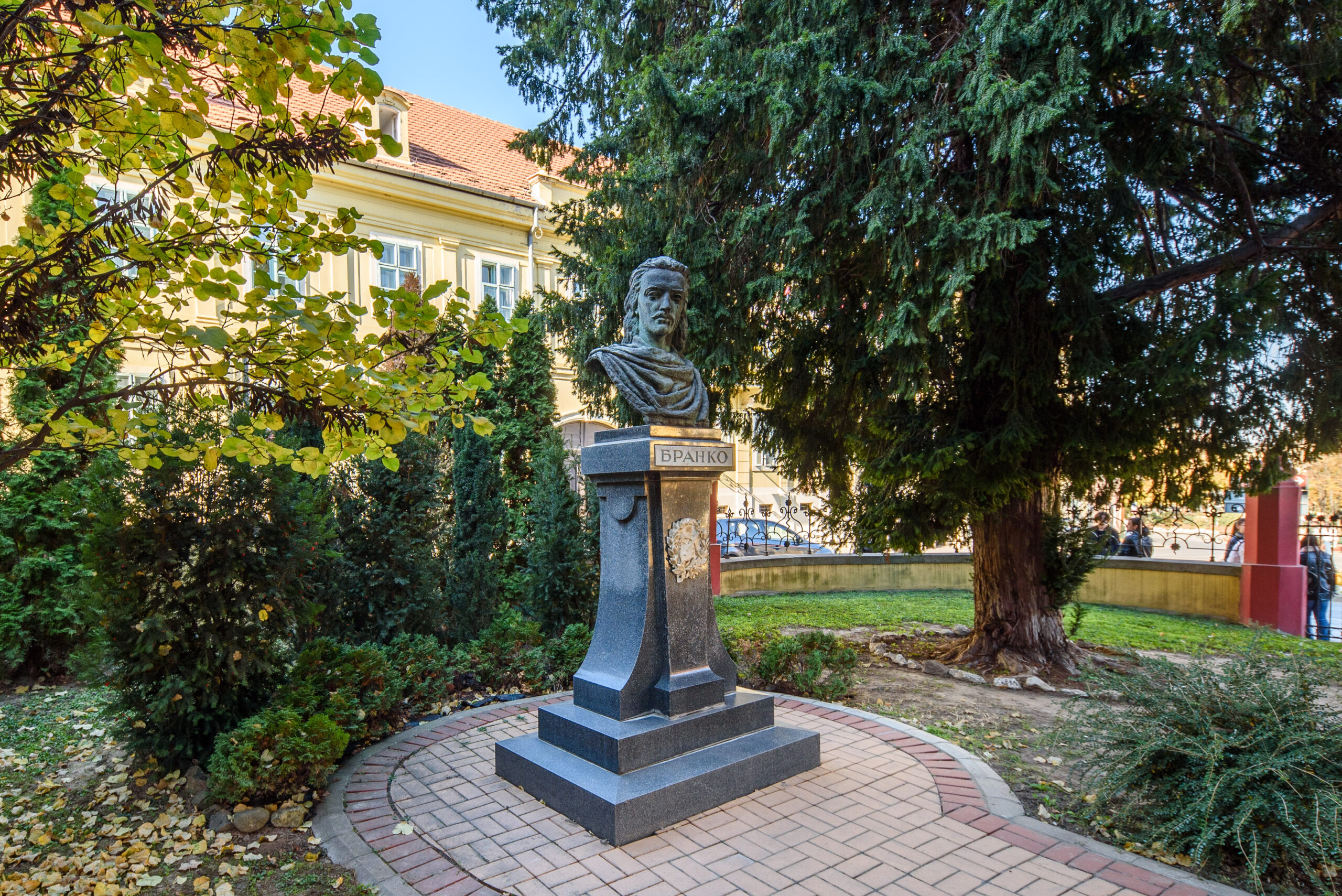
- Stražilovo is a popular recreational area near Karlovci, with the monument dedicated to the poet Branko Radičević.
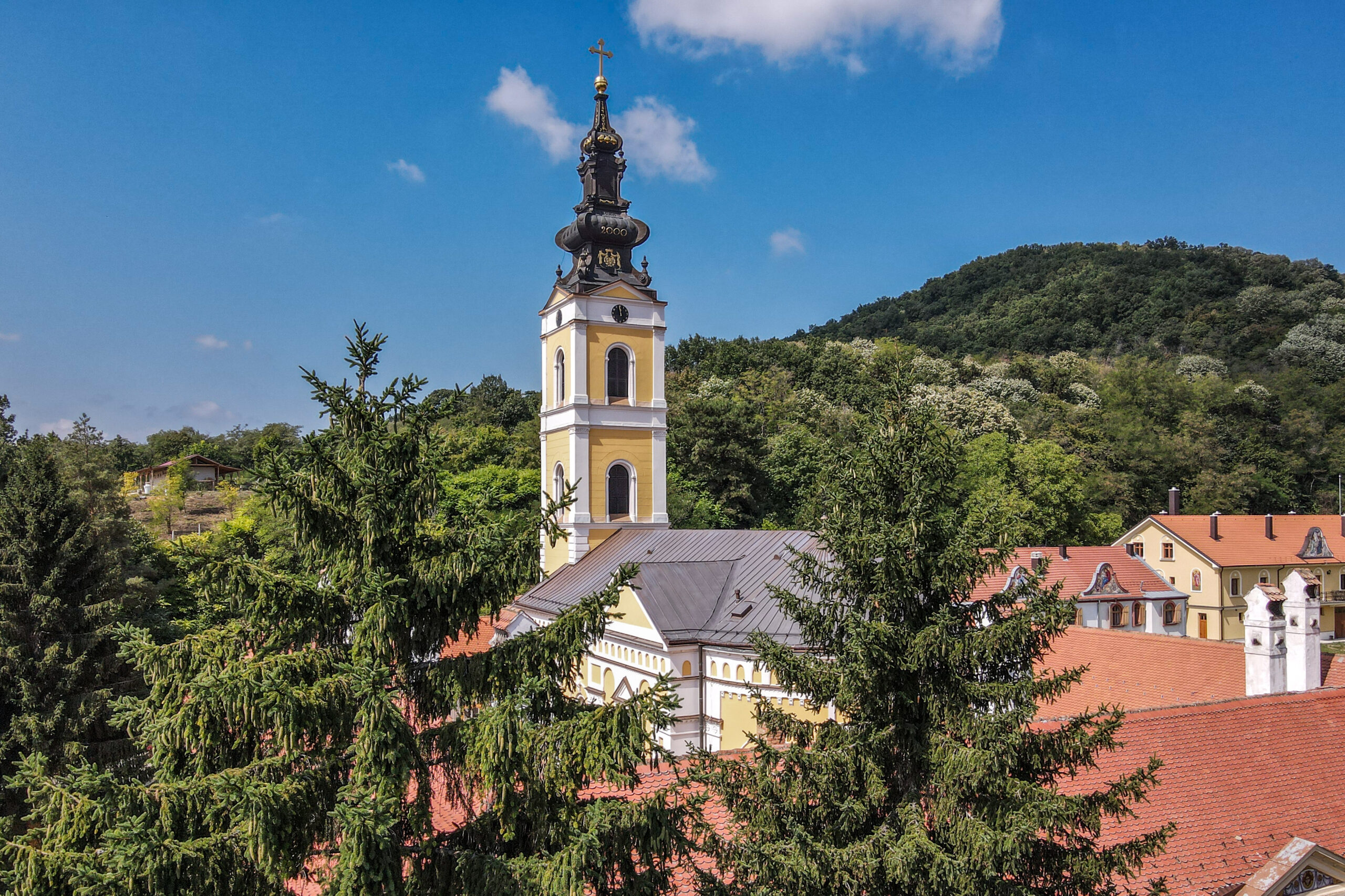
- Head a little further south and only fifteen kilometres from Sremski Karlovci you will find three monasteries from the 16th century: Krušedol, Grgeteg and Velika Remeta.
Vrdnik and its surroundings
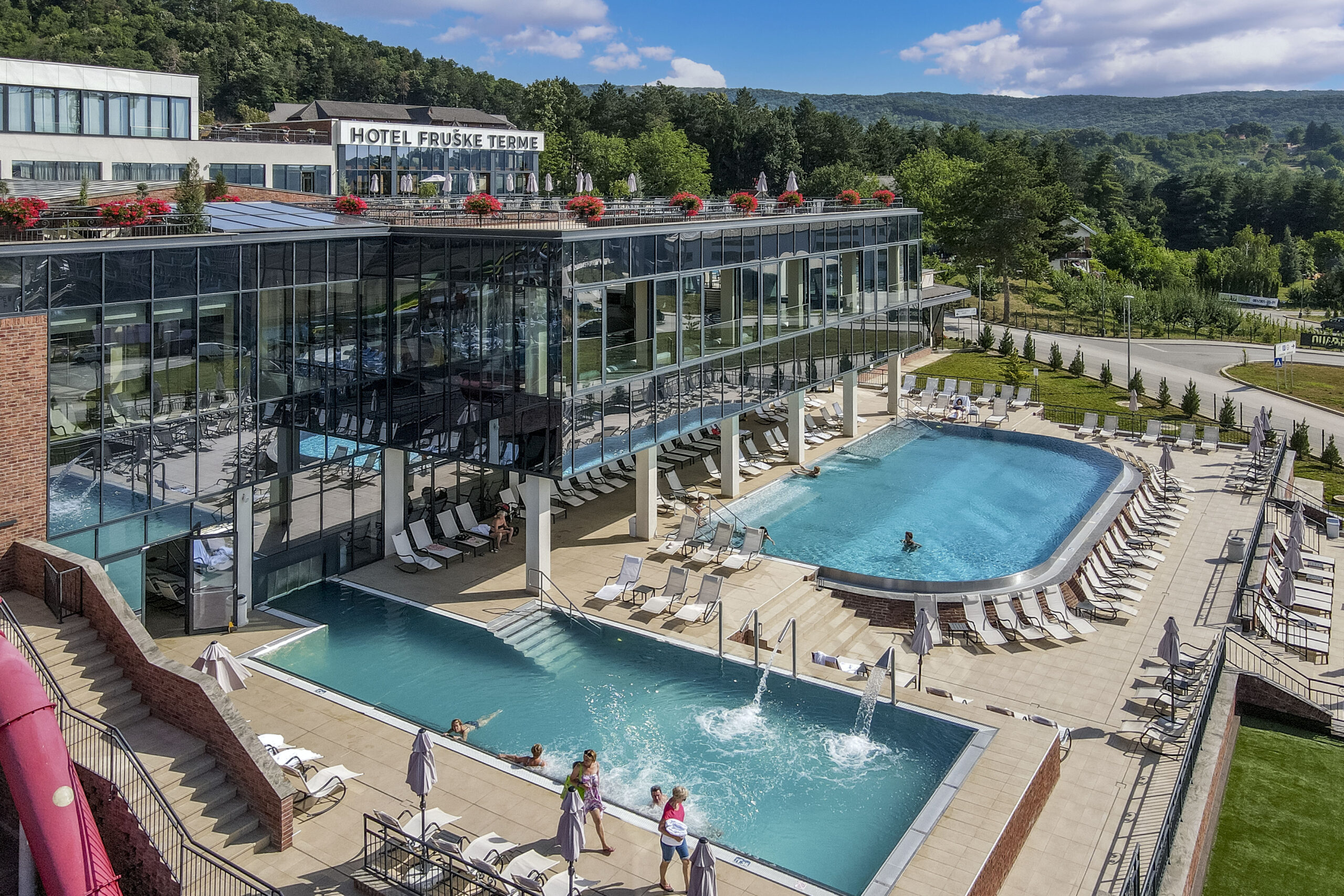
Vrdnik Spa is known for its healing thermal waters, indoor and outdoor pools, as well as various accommodation facilities and modern hotel complexes that offer numerous facilities for relaxation, entertainment, and recreation. In the immediate vicinity of the spa there are numerous hiking and cycling trails, as well as the recreational area Zmajevac.
- Start your tour at the 16th century monastery Vrdnik located in the village itself. The monastery courtyard hosts the monument to the poetess Milica Stojadinović Srpkinja.
- Walk to the Vrdnik Tower and conquer the walls of the former fortified town of Vrdnik.
- Take a break in the Vrdnik Tower ethno complex and enjoy delicious local food and the pleasant ambience of the ethno village.
Iriški Venac and its surroundings
Numerous recreational areas, monuments, and famous sites of anti-fascist struggle in World War II are located along the Partisan Road connecting Banstol on the eastern side and Vizić and Neštin on the western side of Fruška Gora. At the place where this road intersects with the main route Novi Sad – Ruma, there is a popular recreational area Iriški Venac.
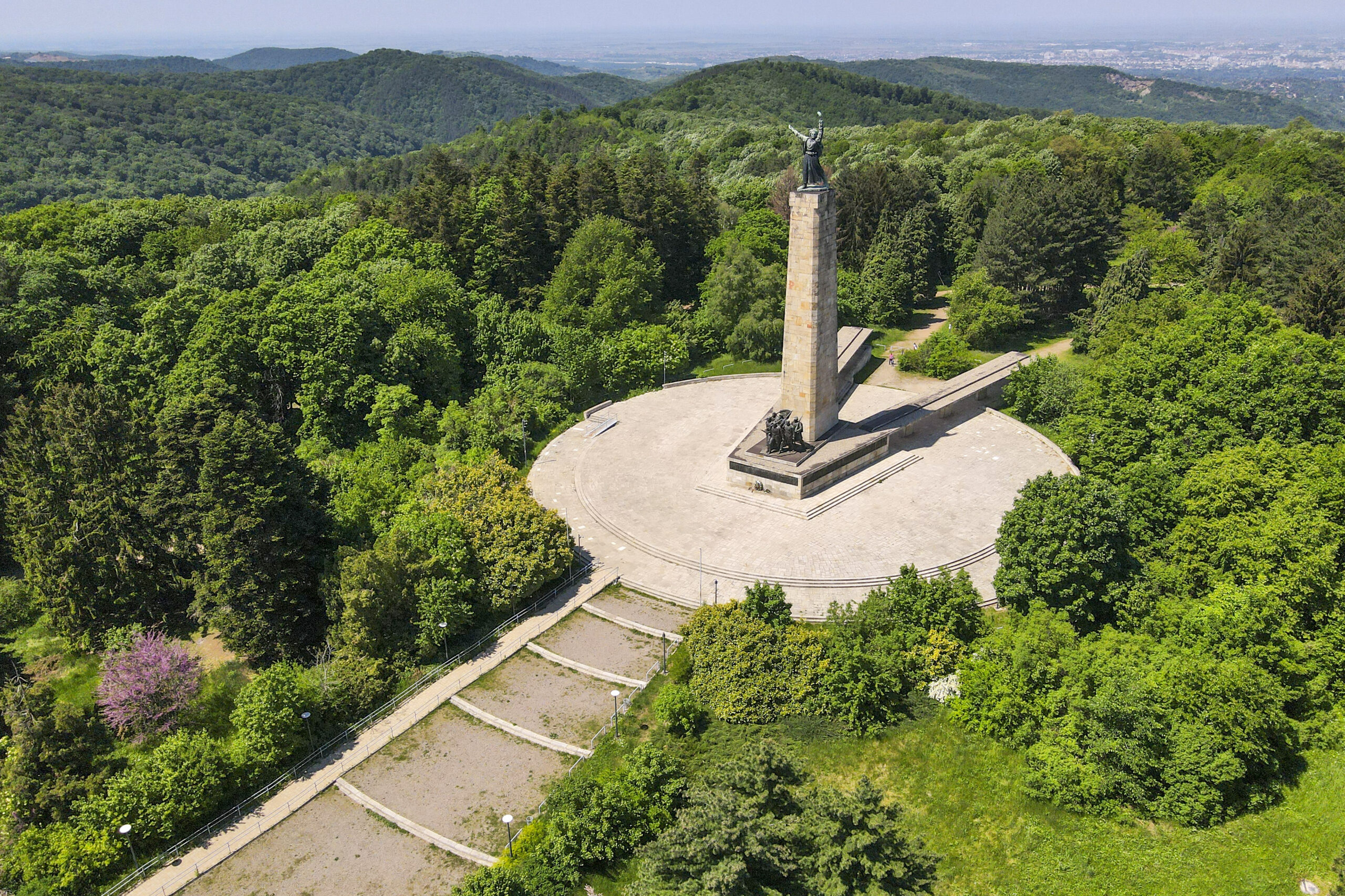
- Visit the imposing Sloboda monument, with the figure of a woman at the top of the obelisk, dedicated to the struggle for the freedom of the people of this region.
- Numerous hiking trails leave from Iriški Venac, and the educational and trim trails are ideal for an easy walk for all ages. Start your walk by visiting the Fruška Gora National Park Info Centre.
- After the hike, you can rest and satisfy your hunger in one of the restaurants on Iriški Venac, in an ambience of greenery with numerous grilled dishes or game specialties.
- You can reach the monasteries of Novo and Staro Hopovo by driving along the road in the direction of Irig or by hiking along a marked path through the forest, which is about 5 kilometres long in one direction.