The wider city area of Novi Sad relies partly on the National Park Fruška Gora with its recreational areas, preserved eco-systems and complex of Serbian Orthodox monasteries. The immediate vicinity of Novi Sad is fi lled with numerous salaši (traditional Vojvodina farmsteads) farmsteads, rural and wine areas, which all together contribute to the fact that Novi Sad area disposes with unsurpassable variety of amenities.
Picnic routes
Picnic routes
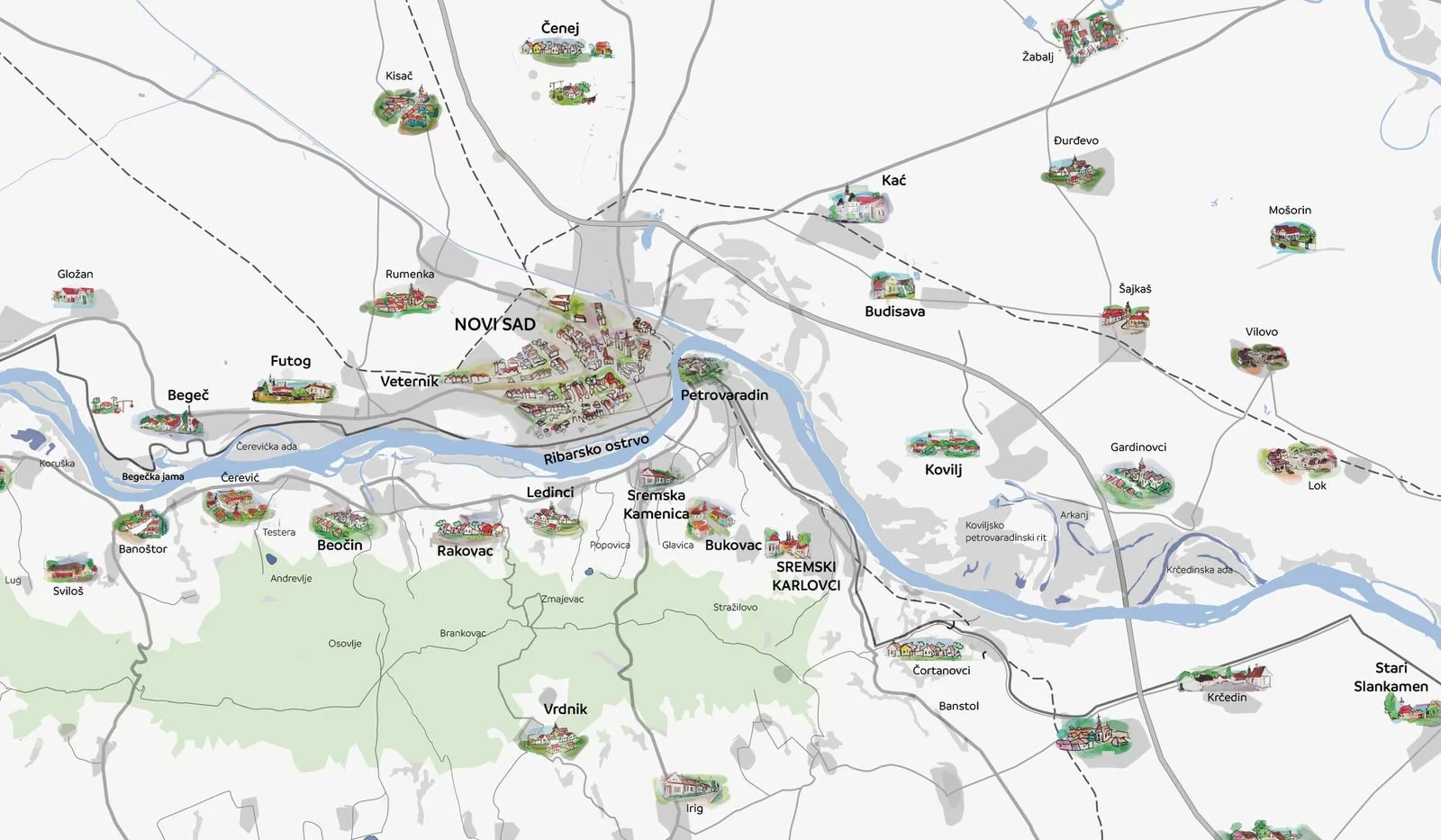
The visitors can feel themselves free to venture out in the direction of one of four excursion routes: Čenej route extending further on towards Fruška Gora route, route around Futog and its surroundings and lastly route around Kovilj and its surroundings. No matter what your choice will be you may use the benefi ts of local public transport or rent-a-car services, bearing in mind that it will take you one day to complete each of the above-mentioned routes.
Info: Local public transport buses depart from Main Bus Station in Novi Sad, Bulevar Jaše Tomić no. 6. Bus lines: Begeč (56), Budisava (23), Čenej (35), Futog (53), Kovilj (24), Sremska Kamenica (71,72), Sremski Karlovci (61,62), Serbian Orthodox Monastery Rakovac (Stari Rakovac 77), Serbian Orthodox Monastery Beočin (Beočin Selo 78) Stari Ledinci (76) and Vrdnik (86). Info: www.gspns.co.rs
Čenej
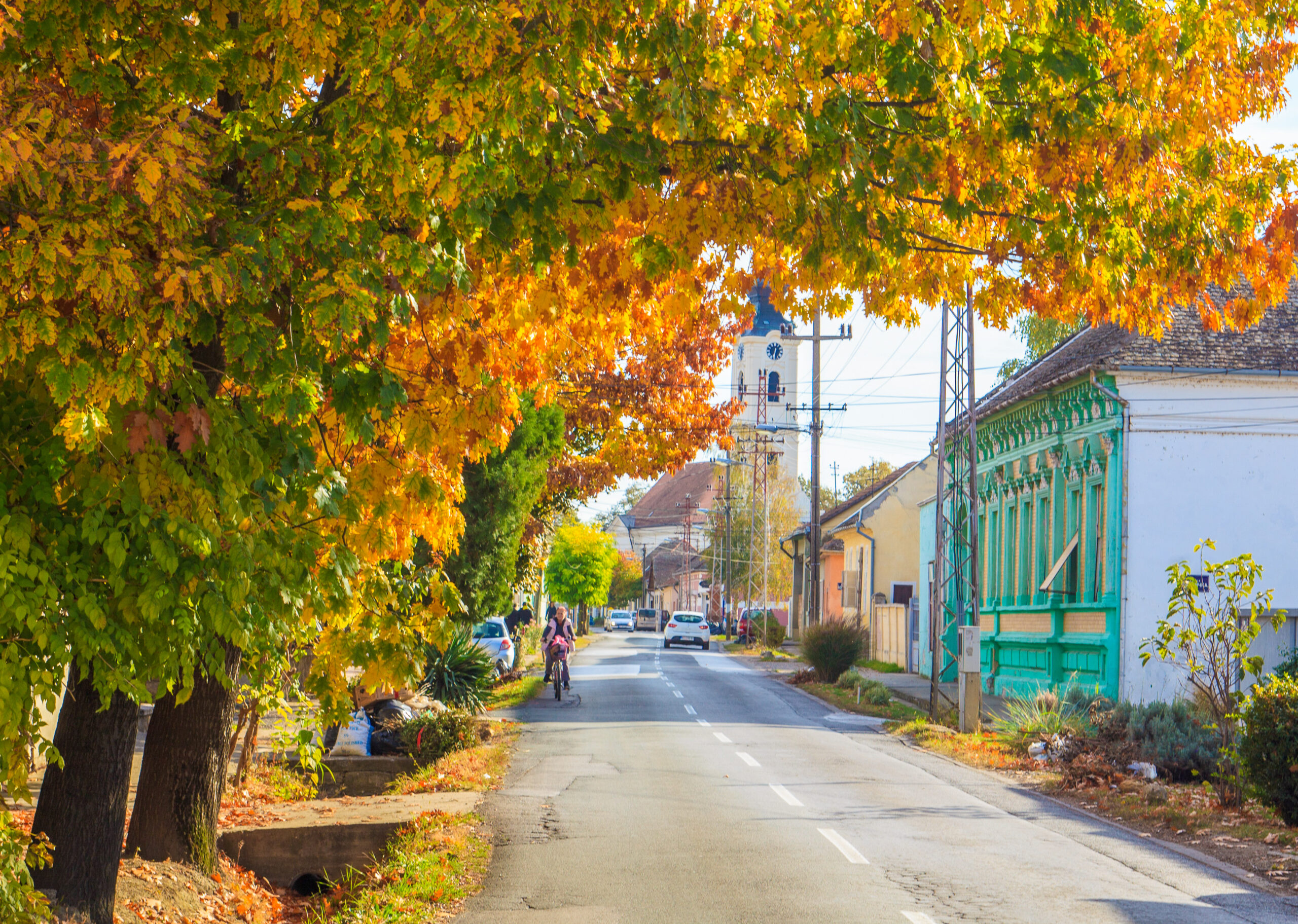
If you decide to head along the old road to Subotica for ten kilometers of soothing ride you will arrive to a typical rural settlement in Bačka called Čenej, nowadays known after numerous salaši (traditional Vojvodina farmsteads).
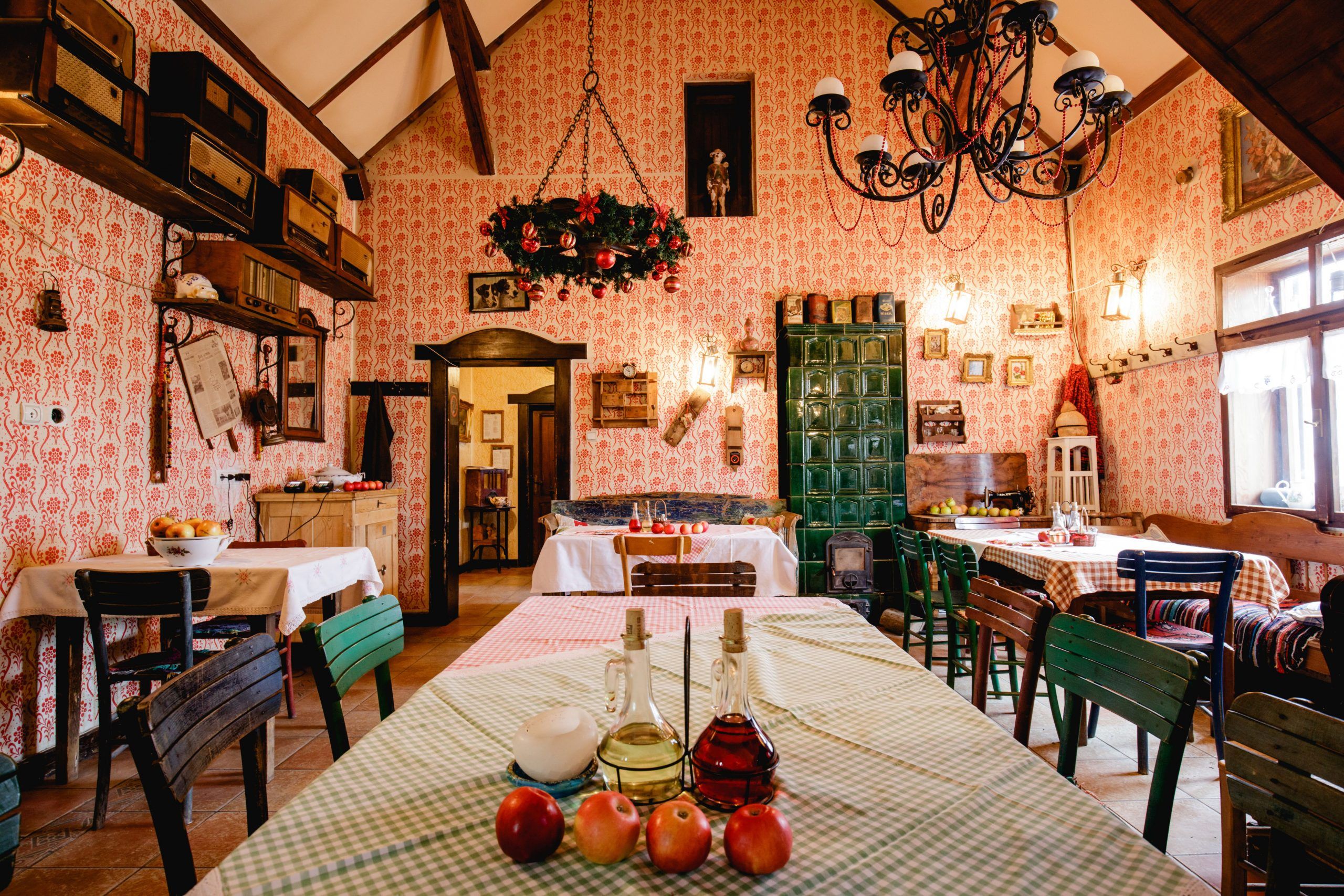
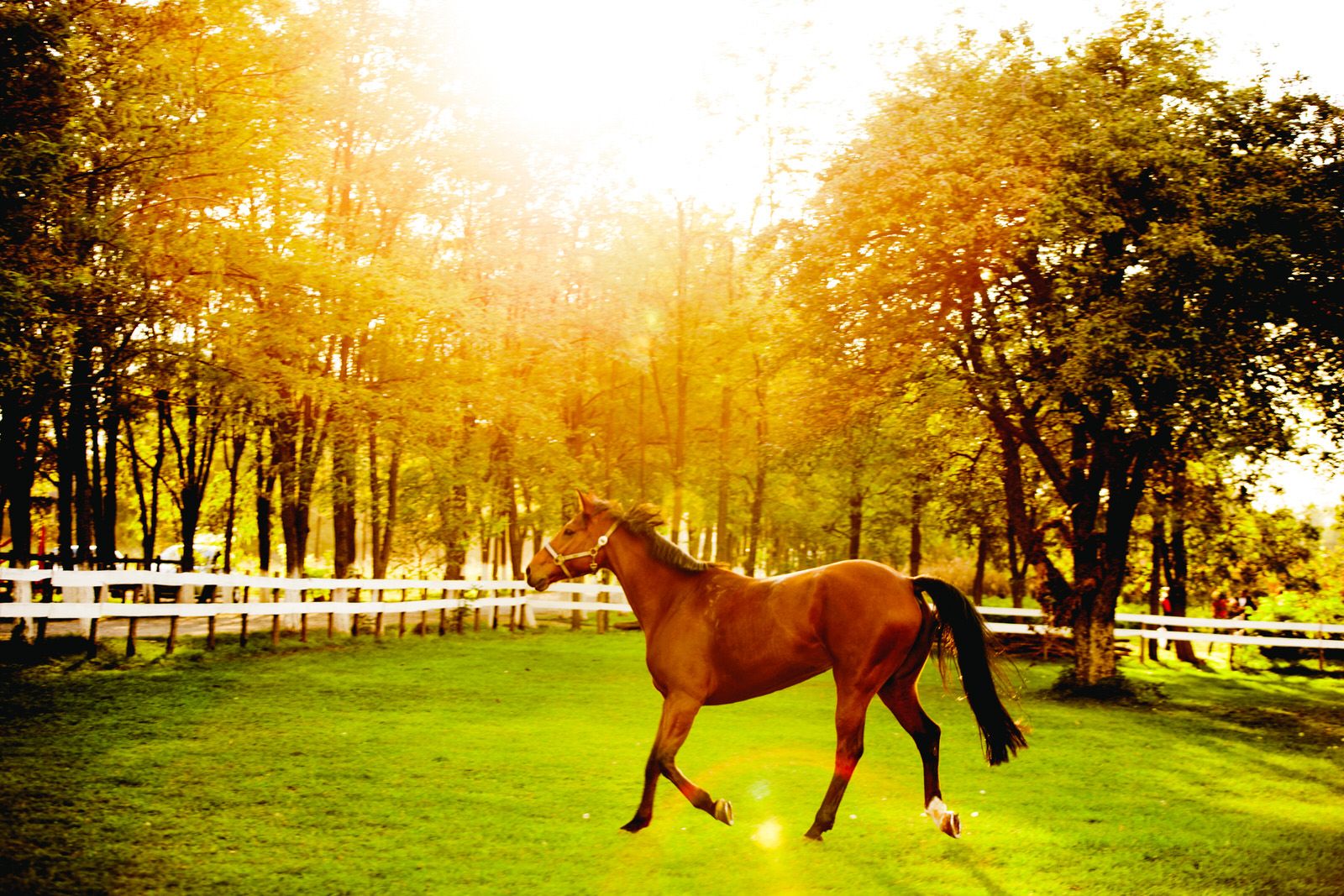
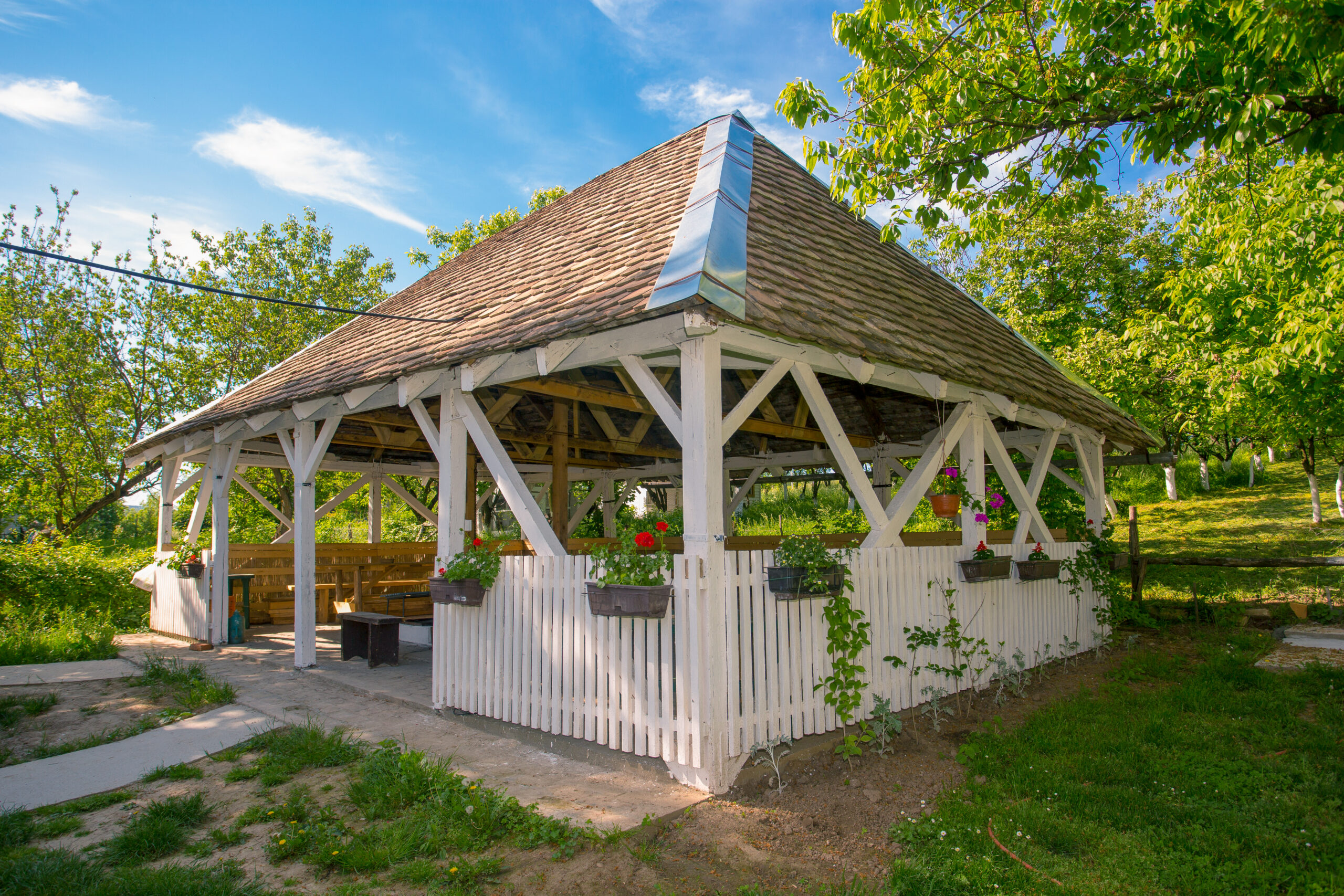
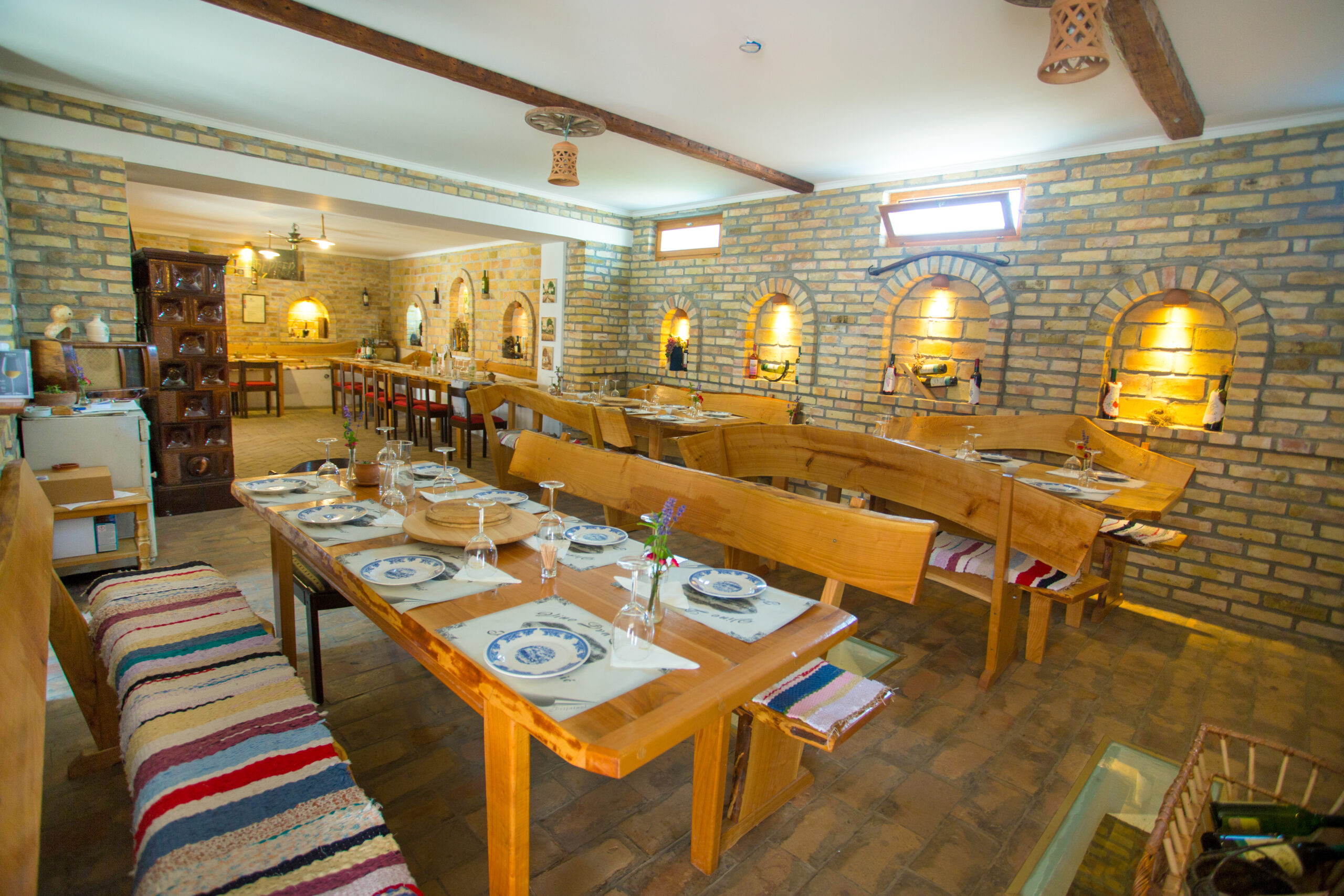
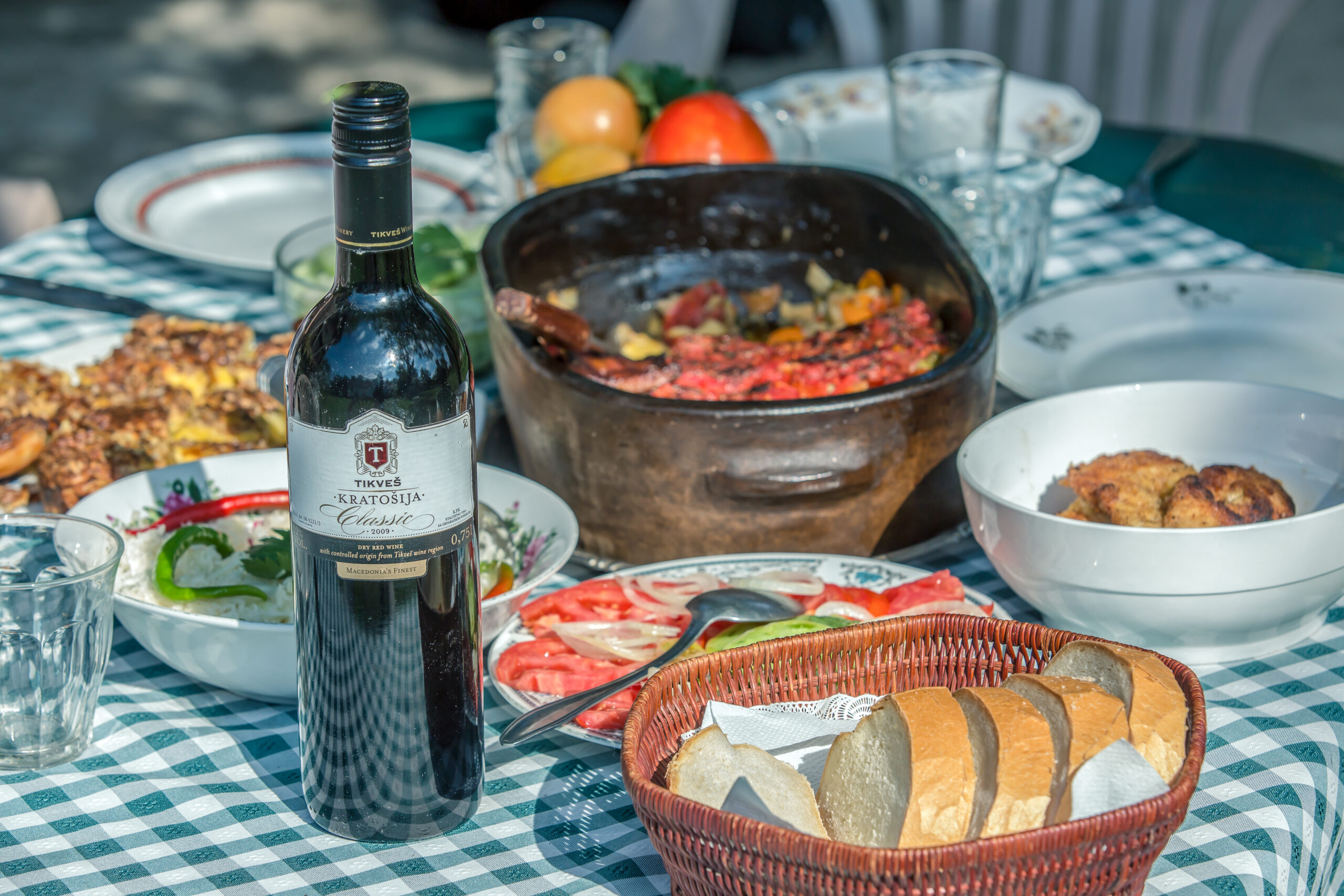
Salaši farmsteads are rural houses scattered in the sea of Vojvodina flatland. Nowadays, they are the guardians of the spirit of past times, traditional way of living, domestic food and horses that run along the flatland. You will be able to slow the pace of time and give way to enjoyment for a brief moment while emerging yourself in an ambience inherent for Bačka rural household in shades of orchards while treating yourselves to a selection of traditional food and wines.
Standing at your disposal should you decide to treat yourselves with a unique experience (booking required) are: Salašarska bašta/Salaš 137 (restaurant with accommodation 3*), Međunarodni put 137, www.salas137.rs; Pajin salaš (restaurant), Međunarodni put 325, Tel. +381 (0)21 714 704; Brkin salaš (food and accommodation 4*), Međunarodni put 312, www.brkinsalas.rs; Mitin salaš, Vuka Karadžića 53, www.novisad.travel;
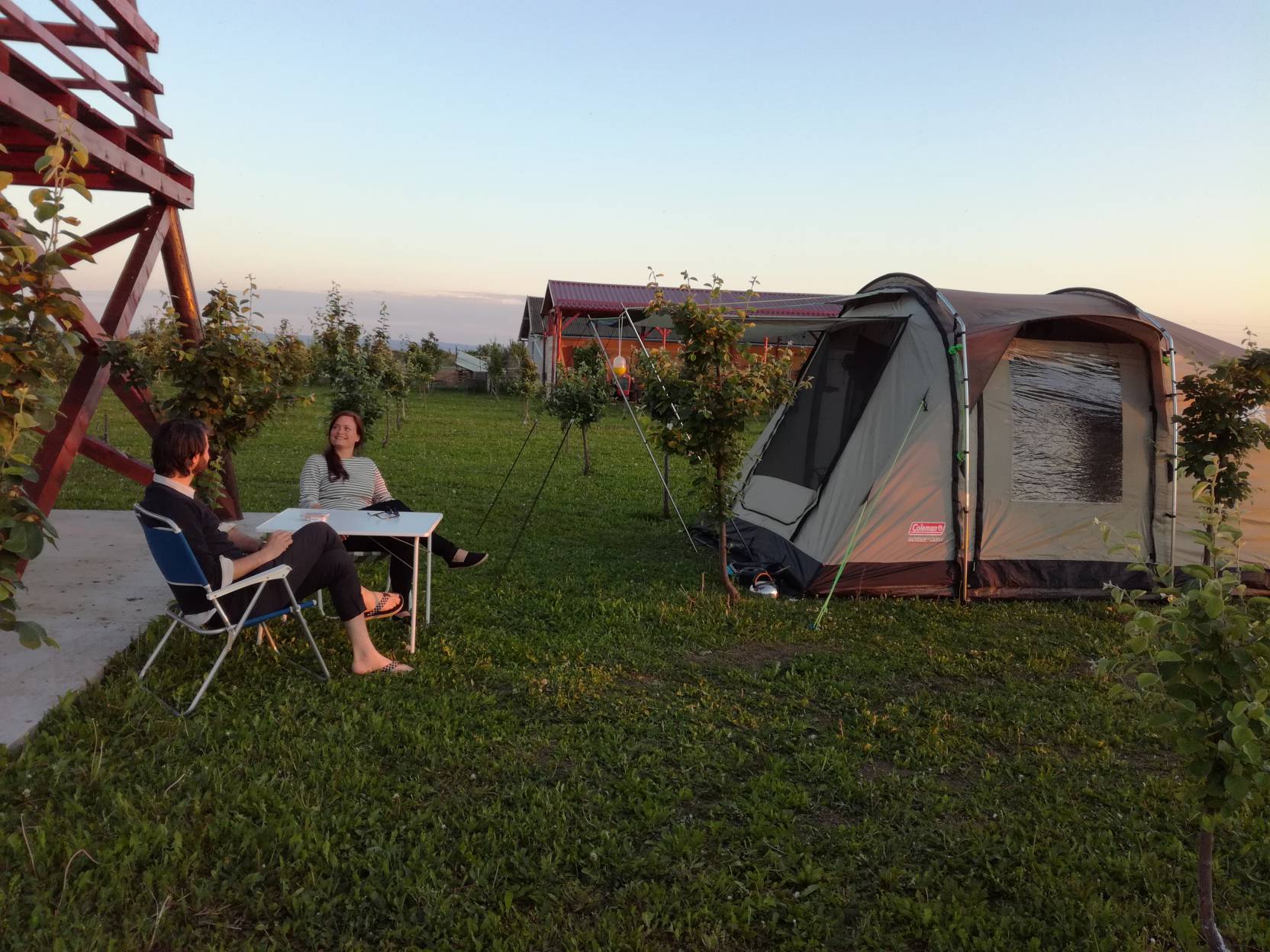
The list goes on to include the following accommodation facilities: Camp Farma 47, Međunarodni put bb, www.agrotourism-novisad.com and Restaurant with accommodation ”Bulać”, Međunarodni put 80, www.pansionbulac.com
Towards Fruška Gora
Our recommendation if you decide to head towards Fruška Gora is to take the road that takes you across Petrovaradin and Tekija as you will be able to enjoy the beauty of the ecumenical sanctuary dominated by the The Shrine of Our Lady of Tekije (1881) erected in the memory of the battle at Petrovaradin (1716) and victory of the Christian Army over the Turks.
The Shrine of Our Lady of Tekije was built at the site where initially a catholic church stood and later on a mosque during the period of the Turkish rule. The church got its contemporary outlook in 1881 according to the project of Herman Bole. The two massive belfries contribute to the monumental nature of the church. The crescent below the cross on the top of the church dome is one of specific characteristics of the church. The other one is the copy of the icon of Holy Mary of the Snow made after the original from the Roman church of Santa Maria Maggiore that is kept inside the church. According to the legend, the victory of the Christian Army over the Turks in Petrovaradin battle that took place on August 5th, 1716 was attributed to the Holy Mother.
Sremski Karlovci
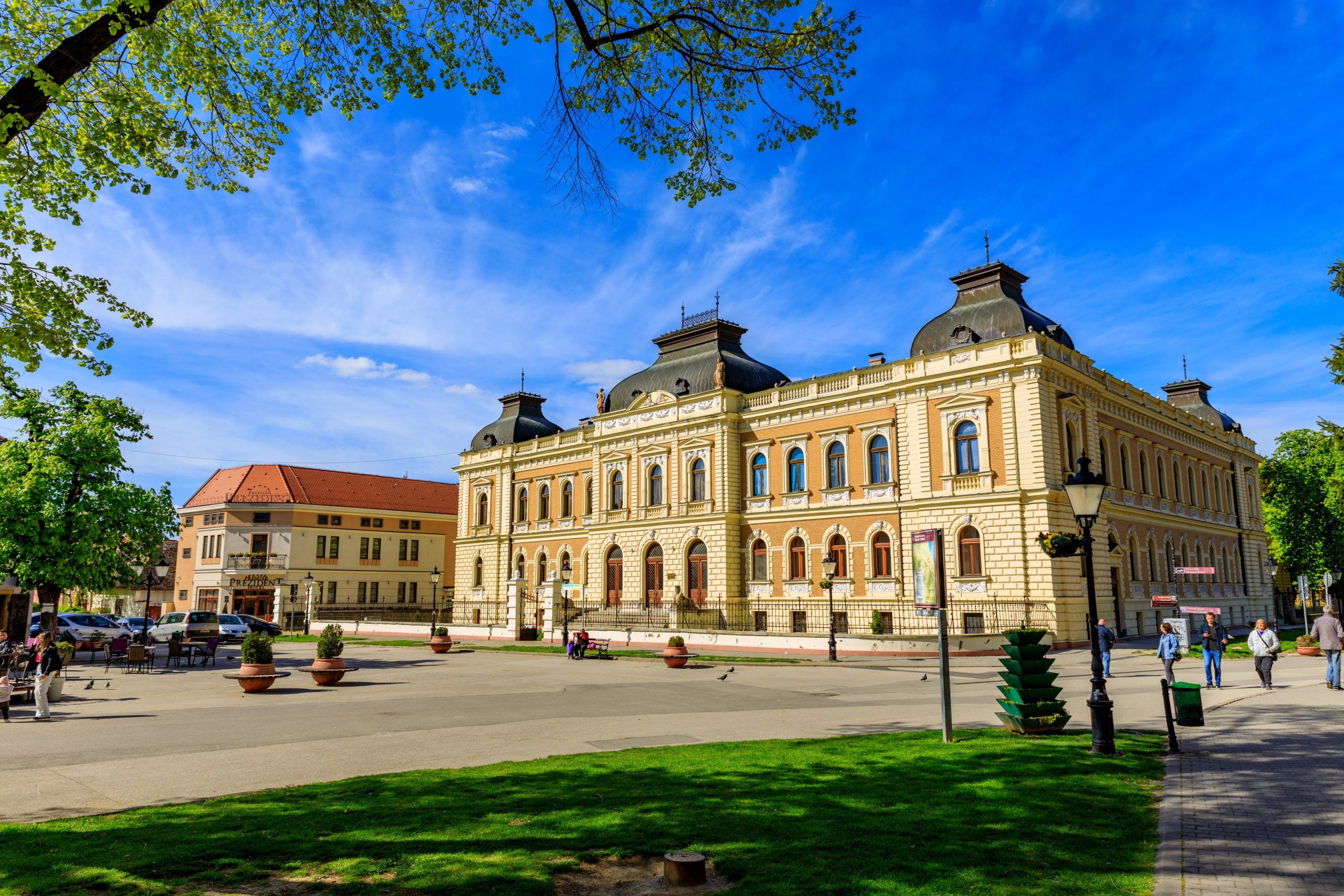
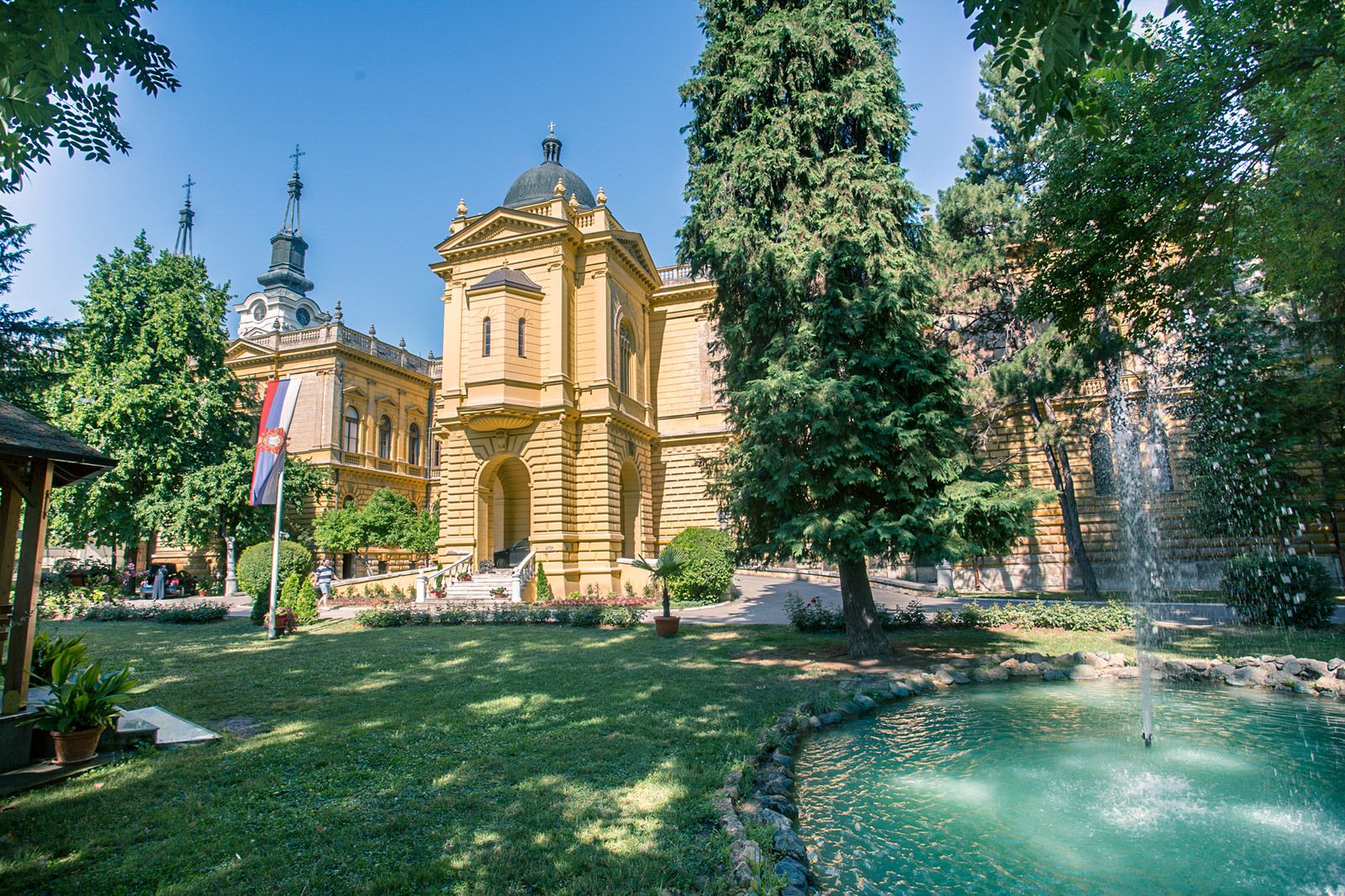
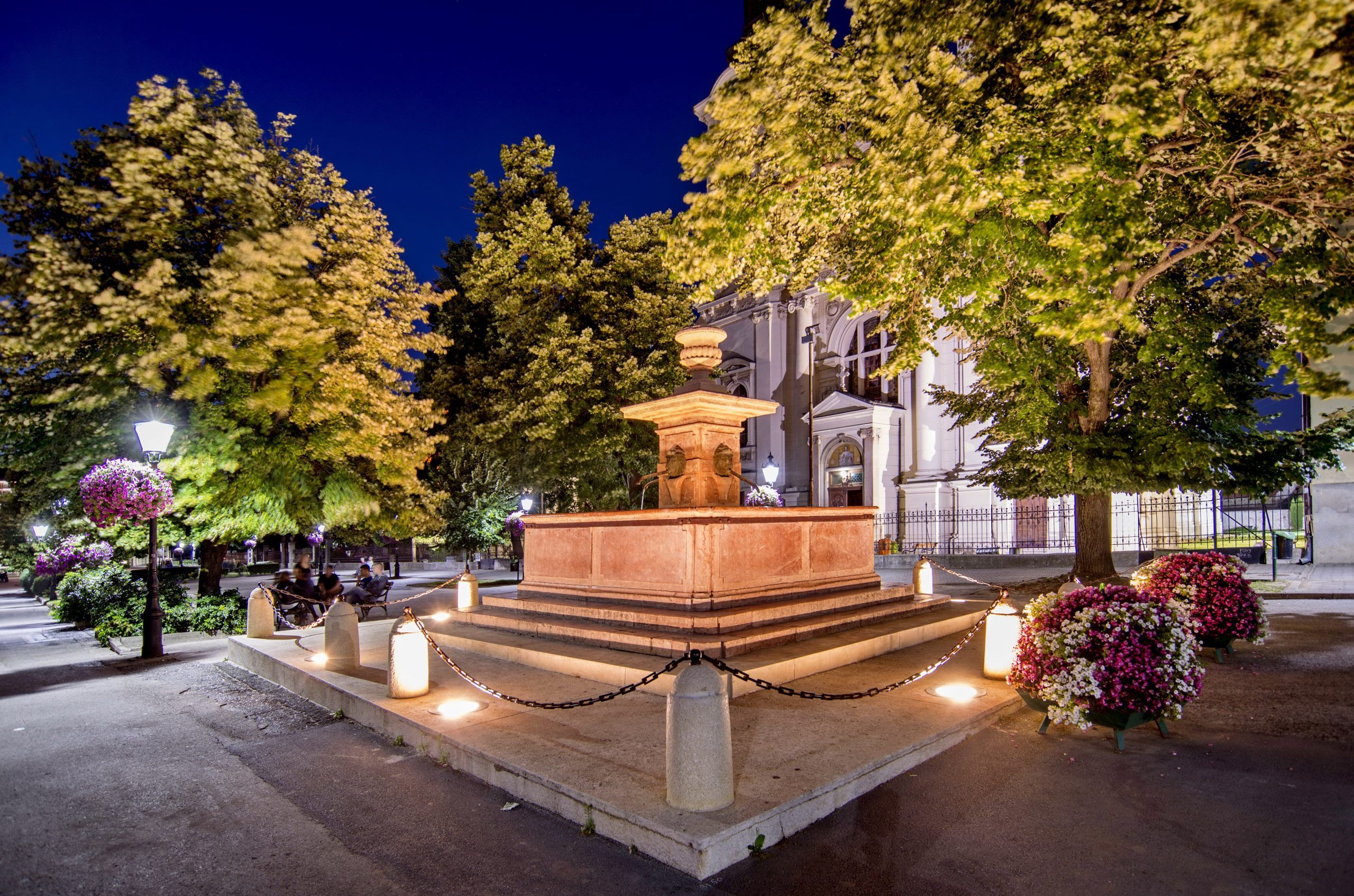
Sremski Karlovci are the next stop on the road, a baroque city that was of great importance for the history of the Serbs as it was the head-offi ce of Karlovci Metropolitanate and Patriarchy. Sremski Karlovci was the founding place of the Seminary, the second one in the Orthodox world, as well as the Grammar School of Sremski Karlovci, the first school of this type among the Serbs. It is known after monuments of culture and institutions that were founded mainly during the 18th and the 19th century: Patriarch’s Residence, Grammar School of Sremski Karlovci, Orthodox Cathedral – a Baroque temple dedicated to St. Nicholas, Chapel of Peace – erected at the site where Karlovci peace treaty was signed in 1699, Karlovci Theological School – the boarding school for students of the Seminary, Fountain “Four Lions” – erected to commemorate the completion of the first public water pipeline in Karlovci. The town has a long tradition of grapevine growing and wine production.
Chapel of Peace is a Roman Catholic religious temple erected at the site where Karlovci peace treaty between the Ottoman Empire on the one side and Austria, Venice, Poland and Russia on the other side was signed on January 26th, 1699, with the mediatory aid of The Netherlands and England. The debate chamber made of wood served as the venue for hosting of 72 day long painstaking negotiations. The chamber had four entry points so that neither side would be given advantage at the moment of entry. The records mention the use of a round table for negotiations, which is probably the first time it was used in the course of official diplomacy.
We recommend you to pay a visit to the Tourism Organization of Municipality of Sremski Karlovci and ask about various tour guides and sightseeing of local amenities as well as an inventory of proposed wine cellars. The recreational area Stražilovo, home to the grave of the poet Branko Radičević (1824-1853) is located in the immediate vicinity in the territory of the National park of Fruška Gora.
Info: Roman Catholic Church of Mary of the Snow www.tekije.com; Tourism Organization of Municipality of Sremski Karlovci www.karlovci.org.rs
Picnic sites
Fruška Gora area is a congregation of extraordinary amenities. Fruška Gora with its unique flora, fauna, landscapes, thermal sources-spa, lakes represents the basis for tourism of special interests (hiking, cyclotourism, observing of rare species of plants and birds, as well as hunting and fishing) as well as for recreational and excursion programmes, schools in nature, nautical and medical-spa/wellness tourism.
The mountaineering programmes leading hiking fans to the recreational areas are organised on a weekly basis. Some of the sites covered by the hiking programmes include: Stražilovo, Glavica, Popovica, Iriški venac, and TV tower, Zmajevac, Brankovac, Andrevlje, Osovlje, Ležimir, Letenka and Testera.

Vrdnik
Vrdnik, a renowned spa resort is located some twenty kilometres away from Novi Sad on Fruška Gora. Thermal water with temperatures of around 32oC is used for treatment of numerous diseases. Special hospital for rehabilitation “Termal” with outdoor and indoor pools, congress hall, restaurants, different types of accommodation together with its team of experts offers primarily excellent conditions for rehabilitation as well as ideal conditions for exercising of recreational sports making it an ideal place for preparation of athletes.
Vrdnik is also home to a modern hotel “Premier Aqua” that can satisfy the needs of the most choosey guest with its abundance of different amenities. The above-mentioned hotel has a modern spa centre, congress hall, restaurant and richly equipped rooms and suites.
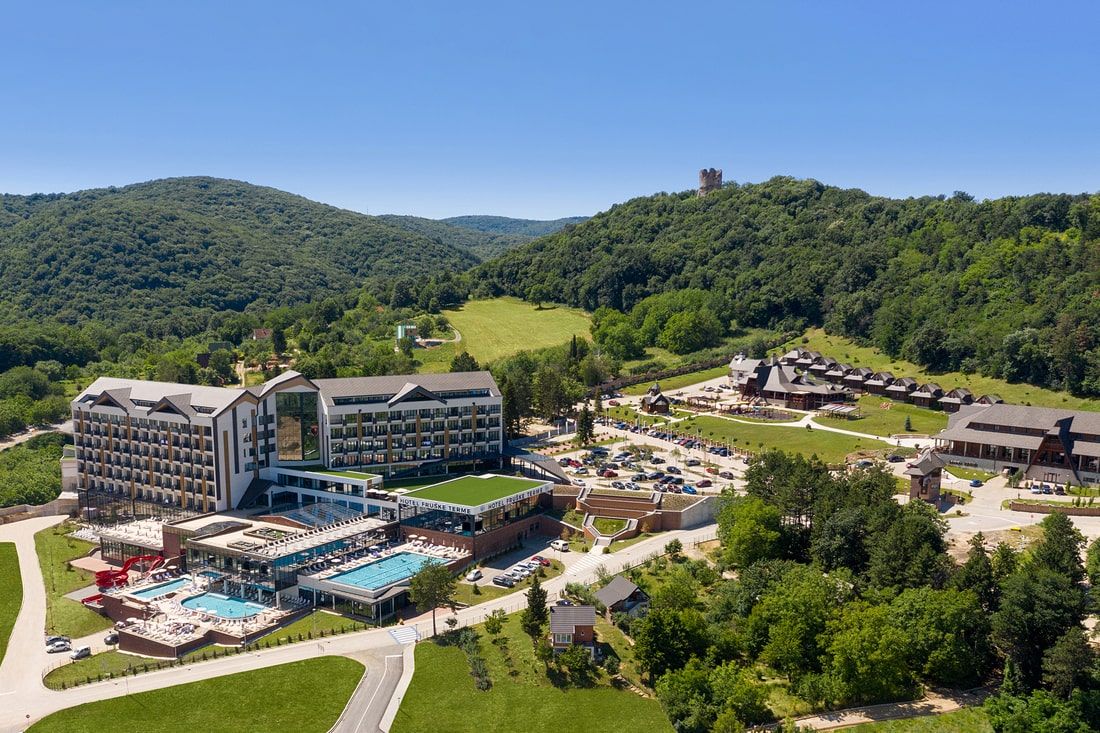
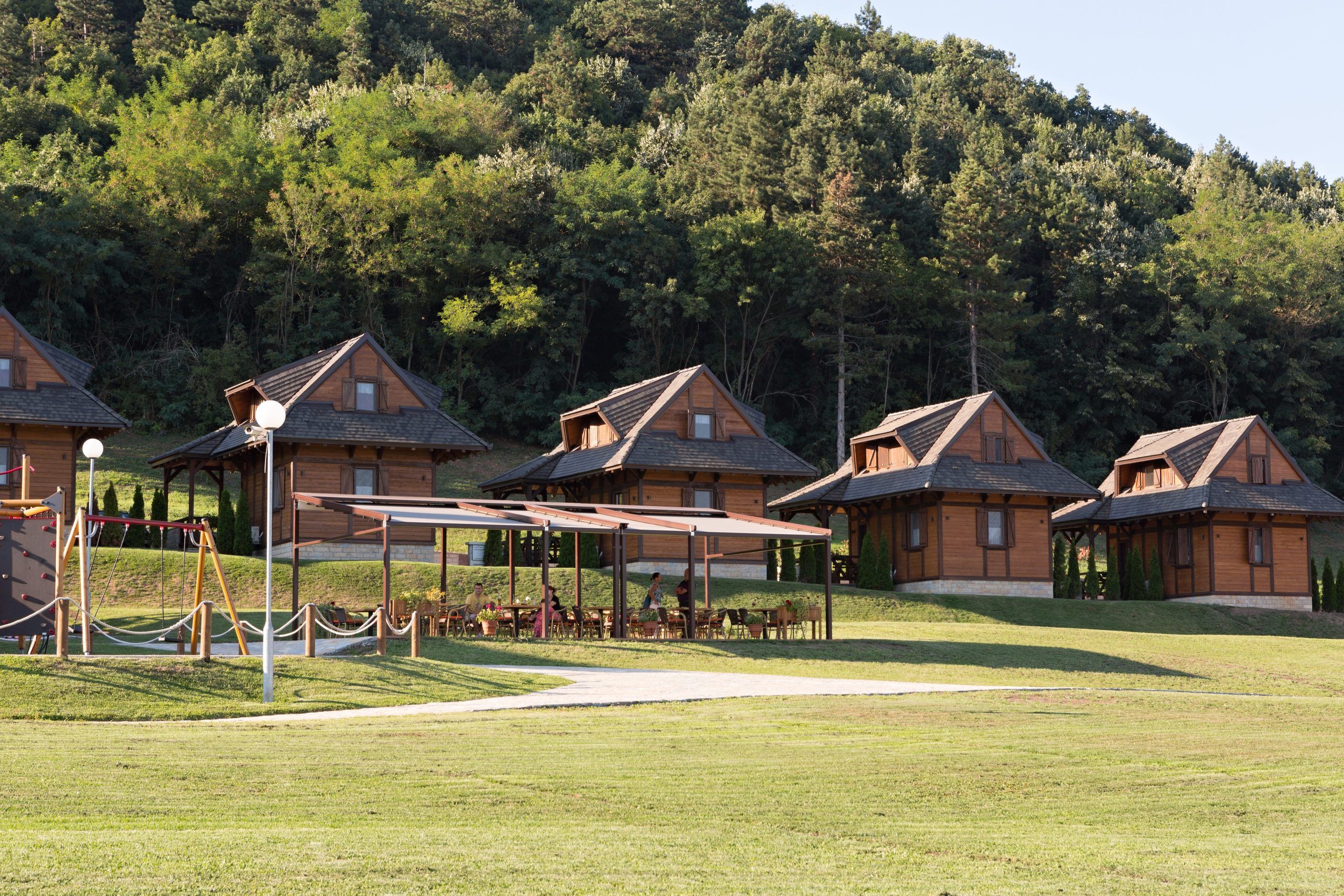
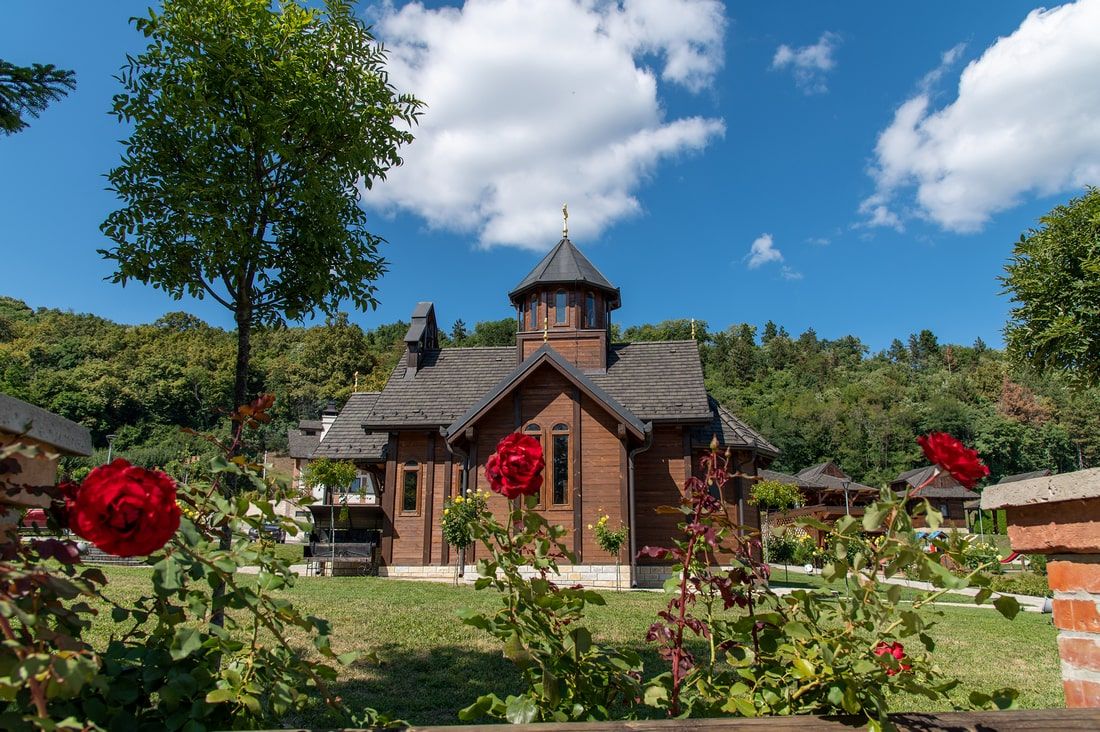
Another tourist resort located in the vicinity of Vrdnik is Ethno Complex “Vrdnička kula” lying on the foothills of Fruška Gora. The resort has at its disposal an ethno restaurant with terrace, wine cellar, bungalows for accommodation, church, children playground and numerous other amenities.
Mövenpick Resort&Spa “Fruške Terme” is the first luxury hotel complex in Serbia that includes eight thermal pools, 11 state-of-the-art conference halls, Wellness & Spa Center, restaurant and bars.This unique thermal spa complex is located next to the Ethno complex Vrdnička kula.
The monastery Vrdnik (Vrdnik Ravanica) is located in the very centre of the settlement. The church itself is mentioned for the first time in written records from the end of the 16th century, while its current monastery building dedicated to the Christ’s Ascension was constructed in the 19th century. The monks that fled from the monastery Ravanica (at Ćuprija) at the end of the 17th century brought with themselves the relics of the Serbian lord Lazar murdered during the battle of Kosovo polje 1389. The bust of a poet Milica Stojadinović Srpkinja (1828-1878) is located in the courtyard of the monastery.
Vrdnik and Slankamen spas actively work on developing wellness and anti-stress programmes for wider target groups along with providing therapy programmes.
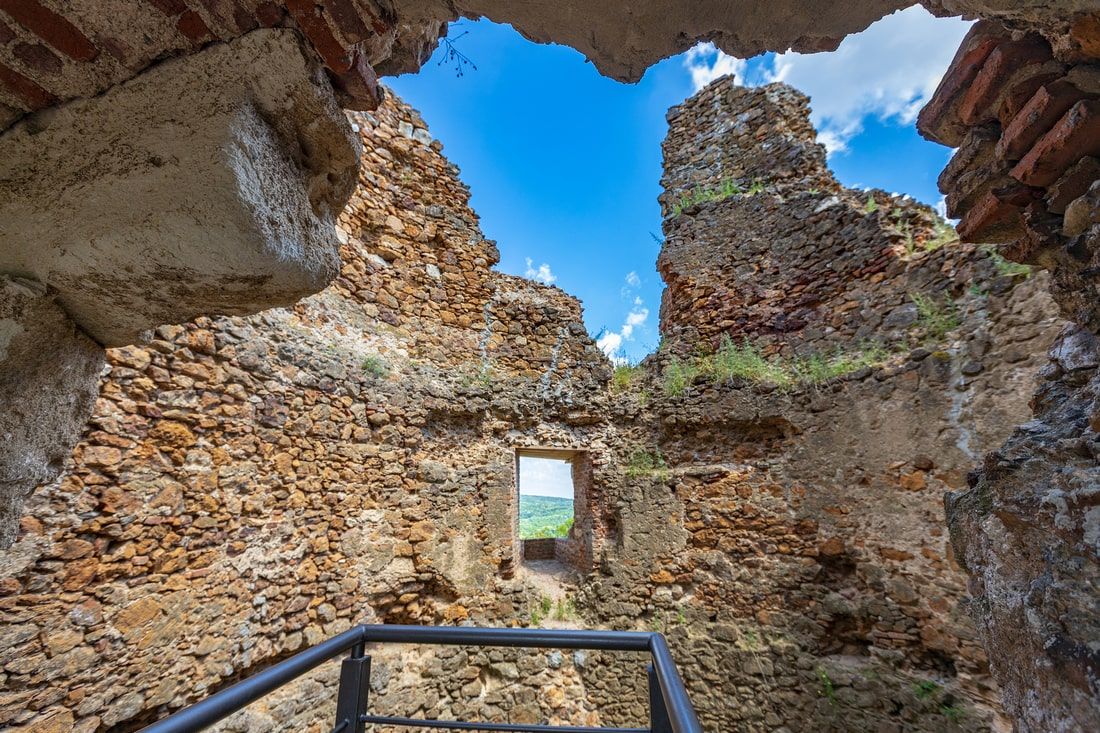
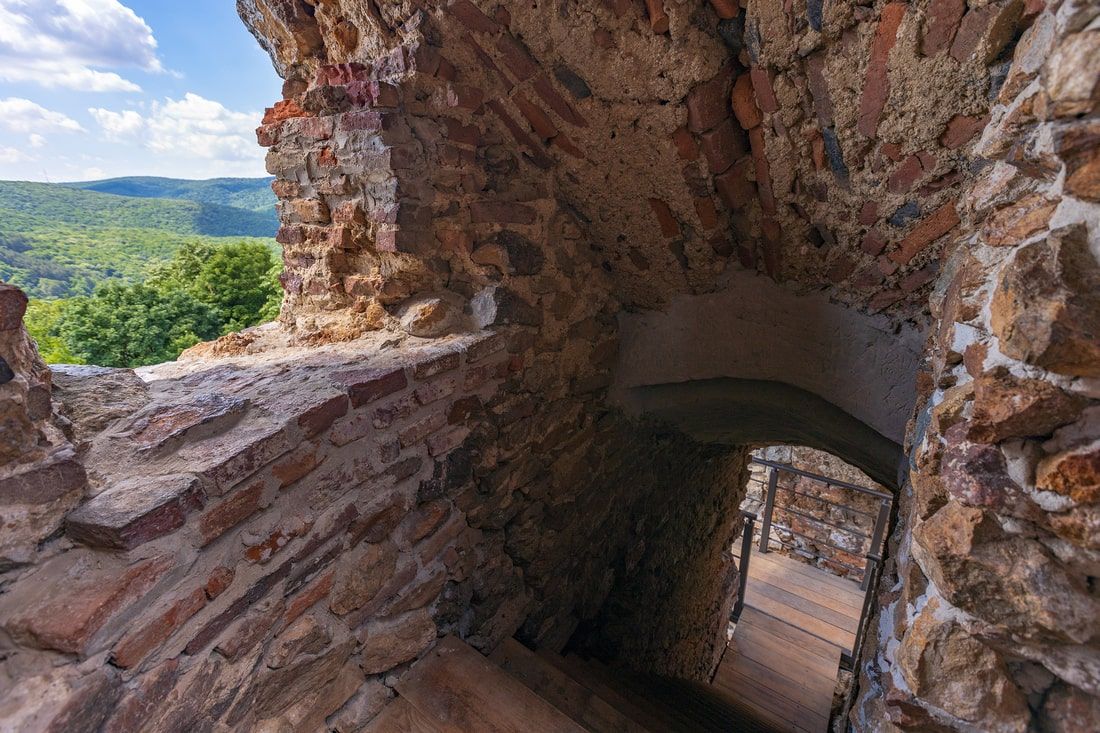
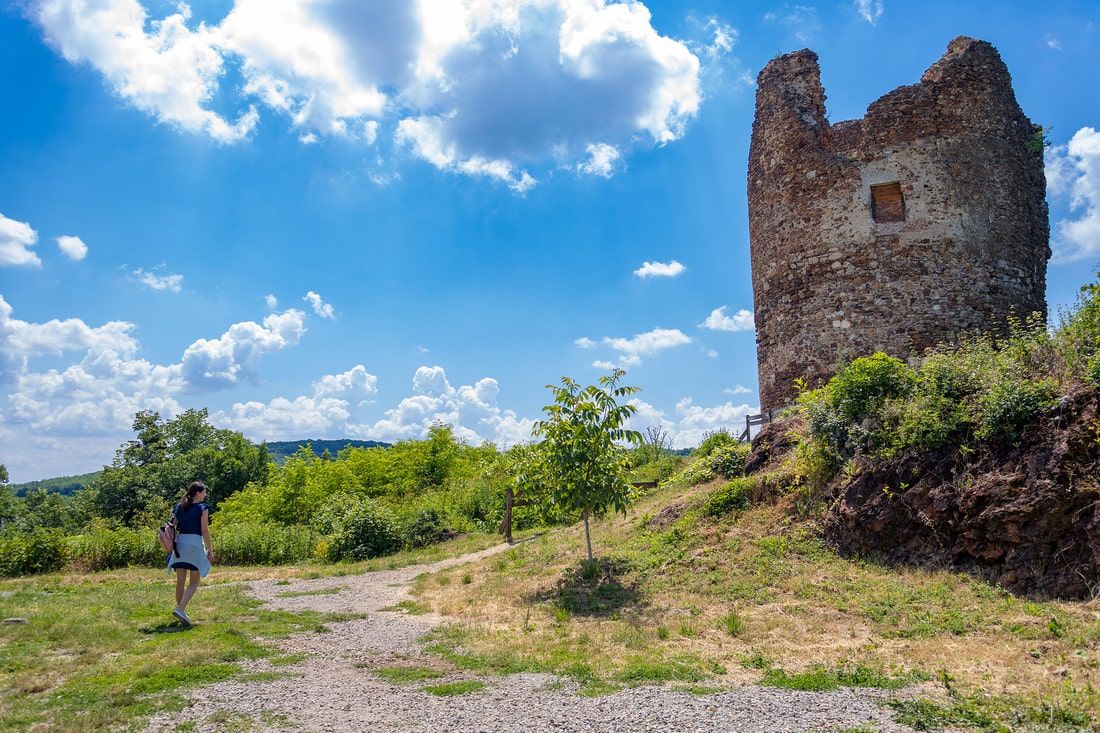
Vrdnička kula (Vrdnik Tower) is located at a highpoint at approximately 400 meters and dominates over its surroundings. It represents a remainder of the medieval settlement Castellum Rednek dating back to the 14th century. Vrdnička tvrđava (Vrdnik Fortress) constructed on a strategic location was a part of the defense system of the former Hungarian Kingdom. It is assumed that the area surrounding Vrdnička kula was inhabited during the Roman period as well, when the Roman Emperor Probus planted the fi rst grapevine on Fruška Gora. The area below the tower is reserved for the tourist resort and ethno complex that offer numerous amenities.
Fruška Gora is an area of good wines, where numerous places – Sremski Karlovci, Sremska Kamenica, Rakovac, Ledinci, Beočin, Čerević, Banoštor, Neštin, Irig, Rivica, Mala Remeta, Novi and Stari Slankamen, Šid and Erdevik have developed as centres of wine tourism. The fi rst grapevine at Fruška Gora was planted by the Roman emperor Marcus Aurelius Probus in the 3rd century. Thanks to him, the viticulture of this area is among the oldest in Europe, so Fruška Gora wines have long attracted people of refi ned taste. The varieties such as Riesling, Frankovka, Merlot, Game, Vranac, Portuguiser, Ausbruch… as well as Bermet – authentic dessert wine are famous. This drink is made exclusively from grapes grown at the vineyards from the slopes of Fruška Gora, which is enriched with 24 to 26 types of aromatic herbs, and was allegedly served on the famous ship “Titanic”. Fruška Gora is dominated by family wineries that combine a multi-generational tradition of wine production with new technologies in such a way that each family wine story has a recognizable note and aroma. For more information about the 6 wine tours we have created see www.novisad.travel/vinarije/
If you are interested in learning more about organised walking tours we recommend that you visit one of the following websites:
www.psdpostar.org.rs
www.psdzeleznicarns.org.rs
www.vilinavodica.org.rs
www.pdnaftas.org.rs
www.pdfruskagora.rs
https:/almamonsadventures.org.rs
https:/hikingtourserbia.com
Picnic, wine, educational and gastronomic programmes are offered by tour agencies.
Info: Banja Vrdnik http:/www.turorgirig.org.rs/
Stari Slankamen www.indjijatravel.rs

Monasteries
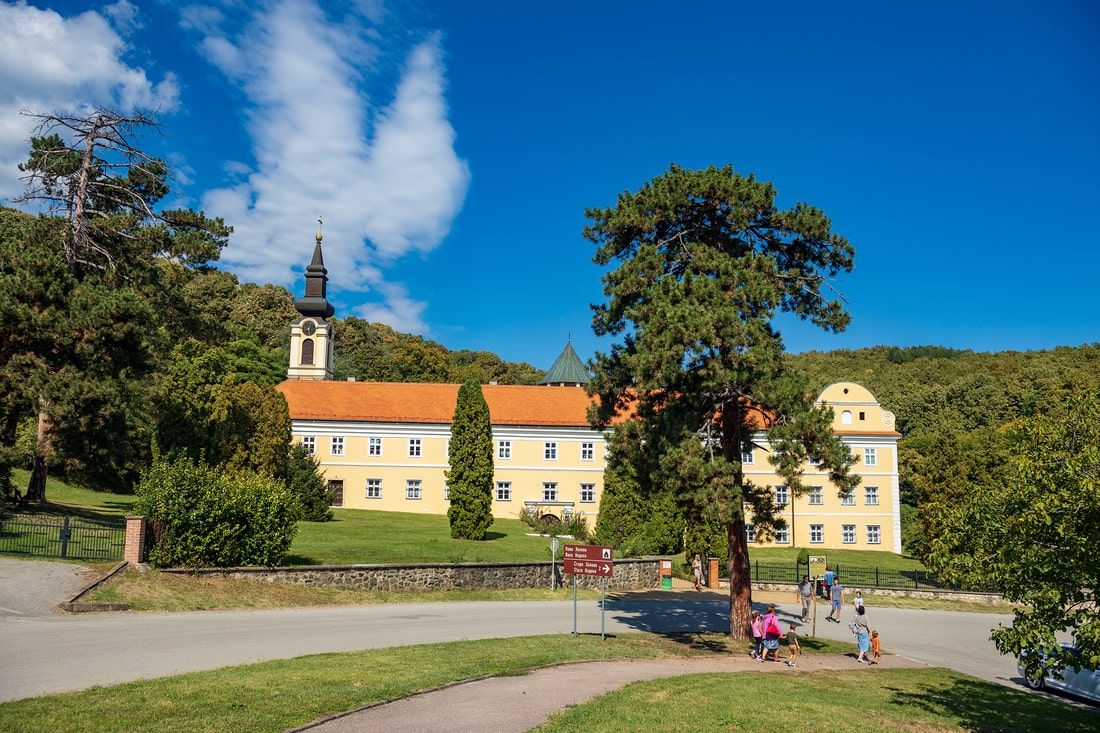
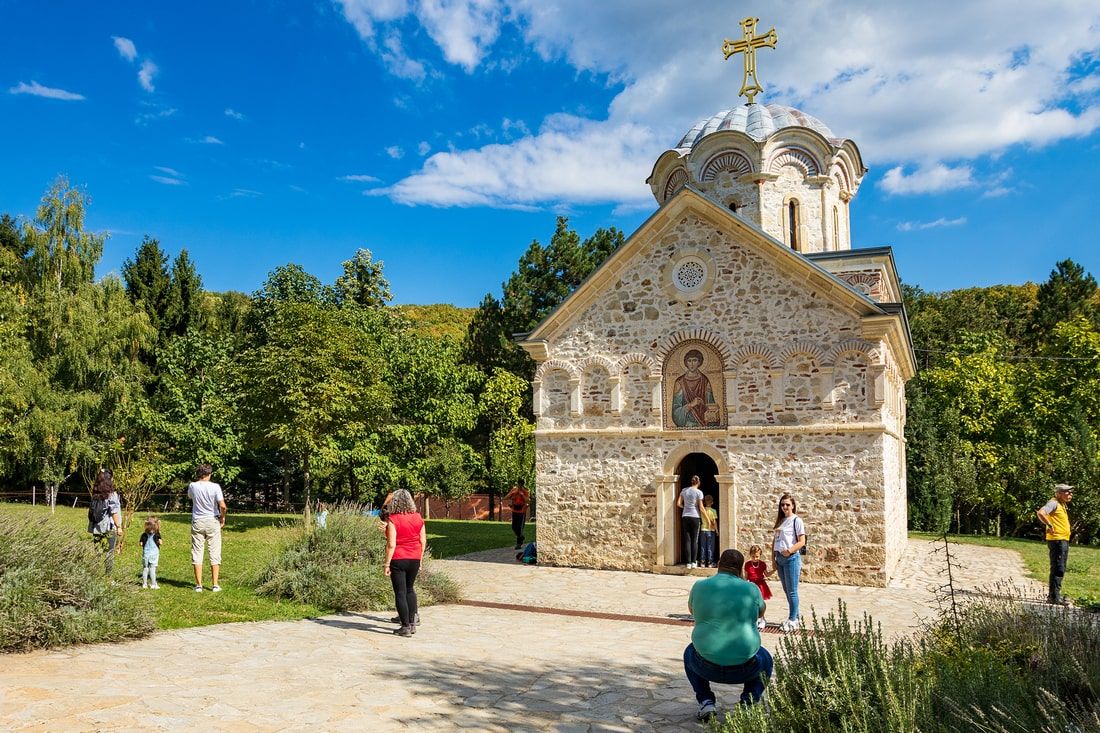
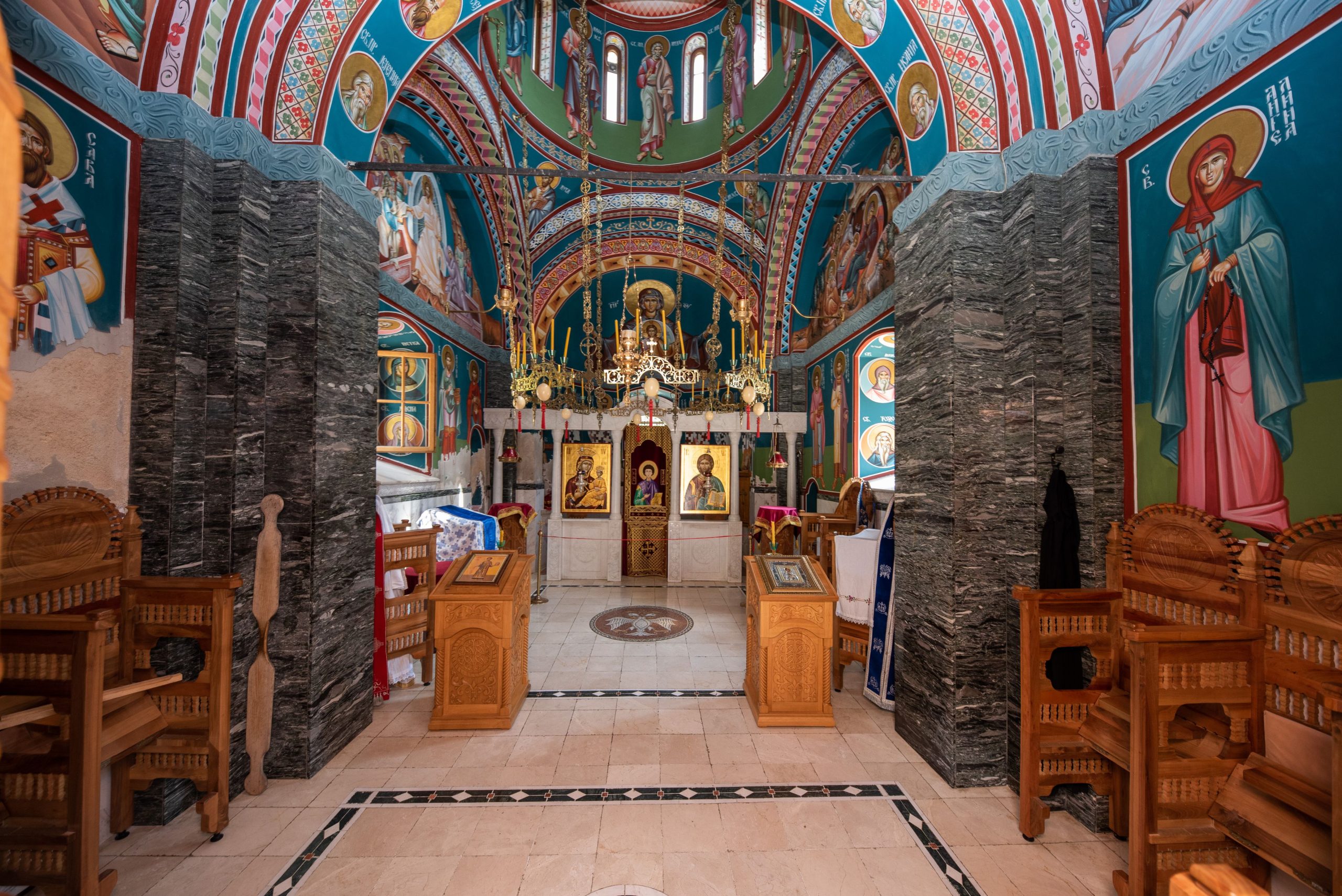
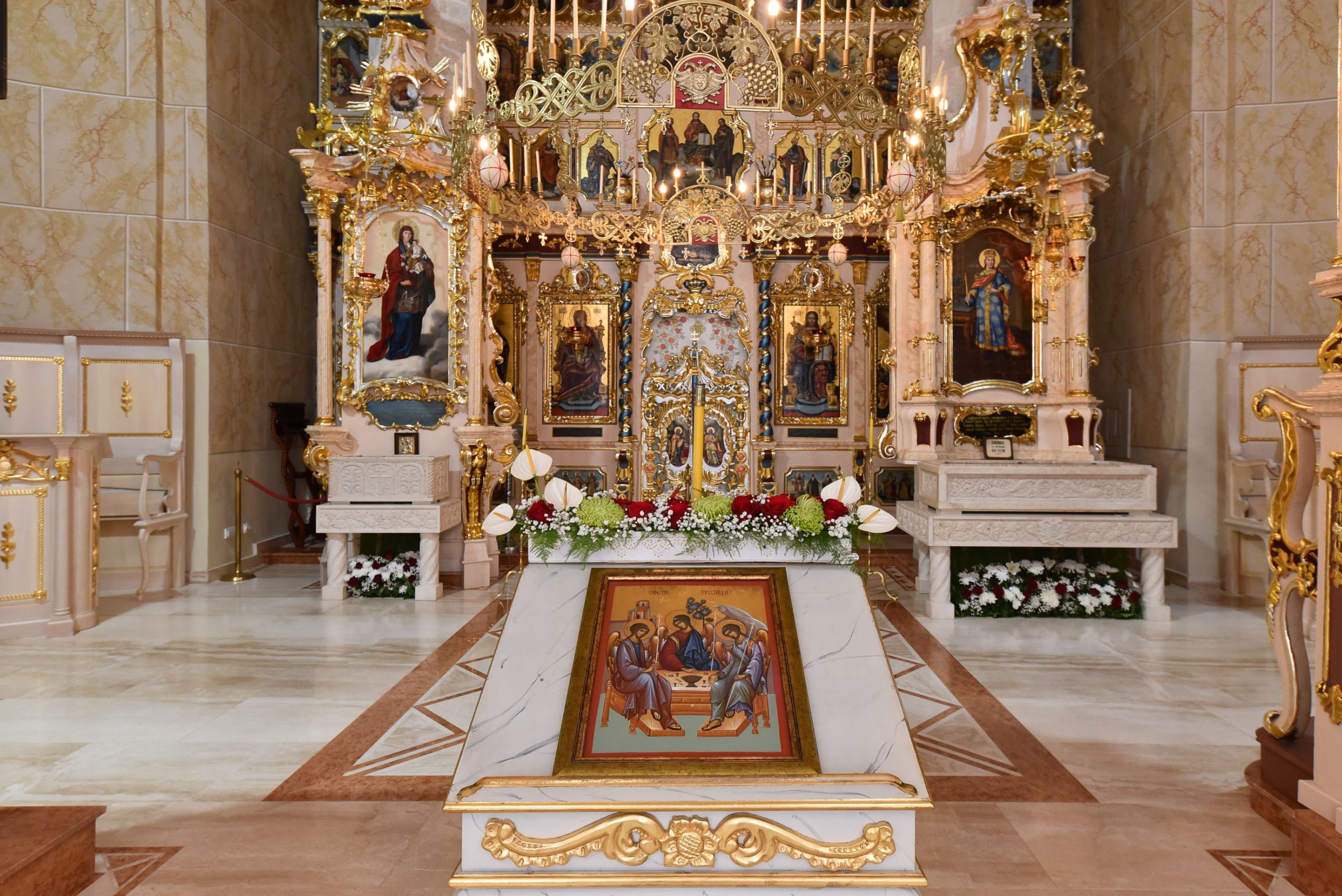
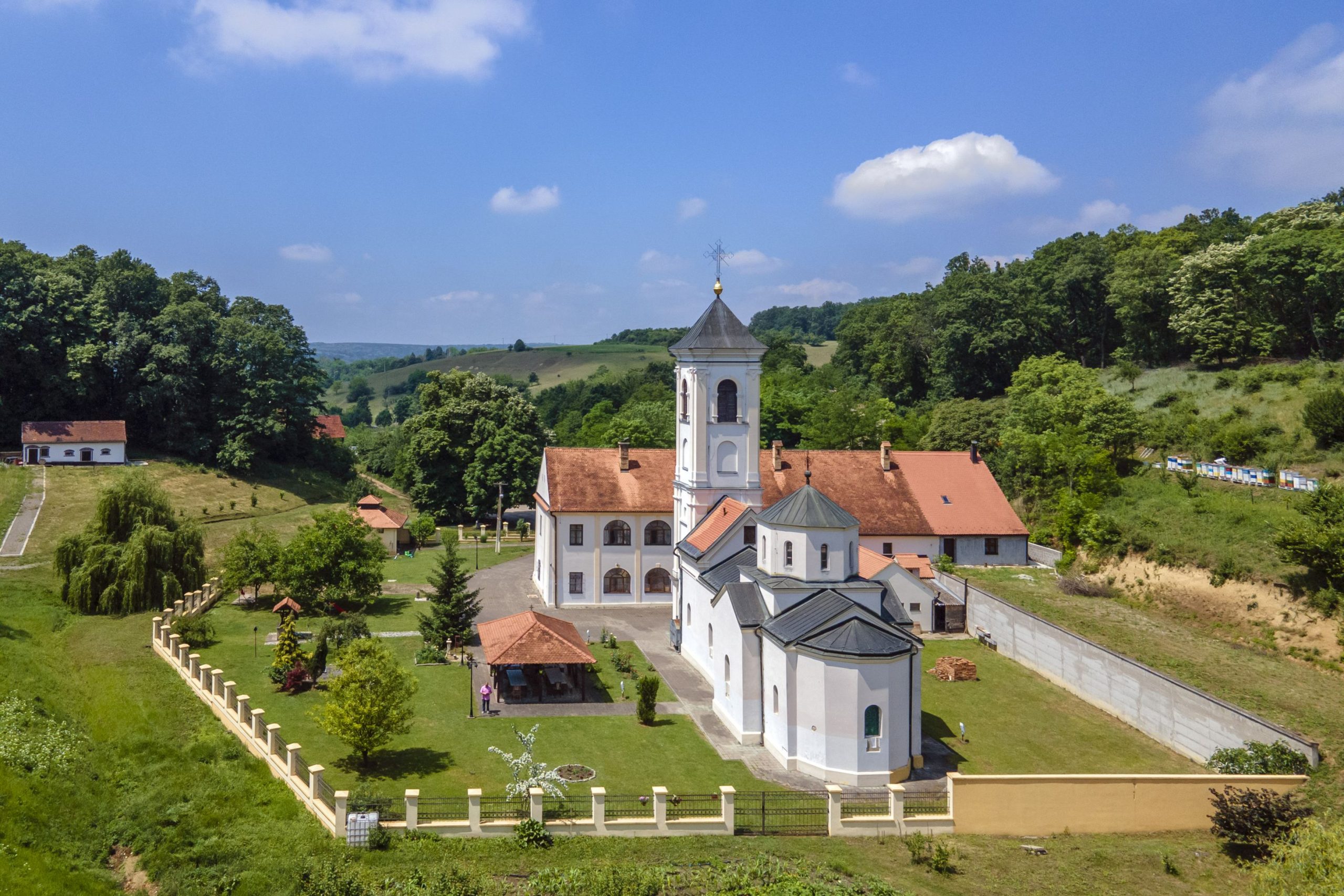
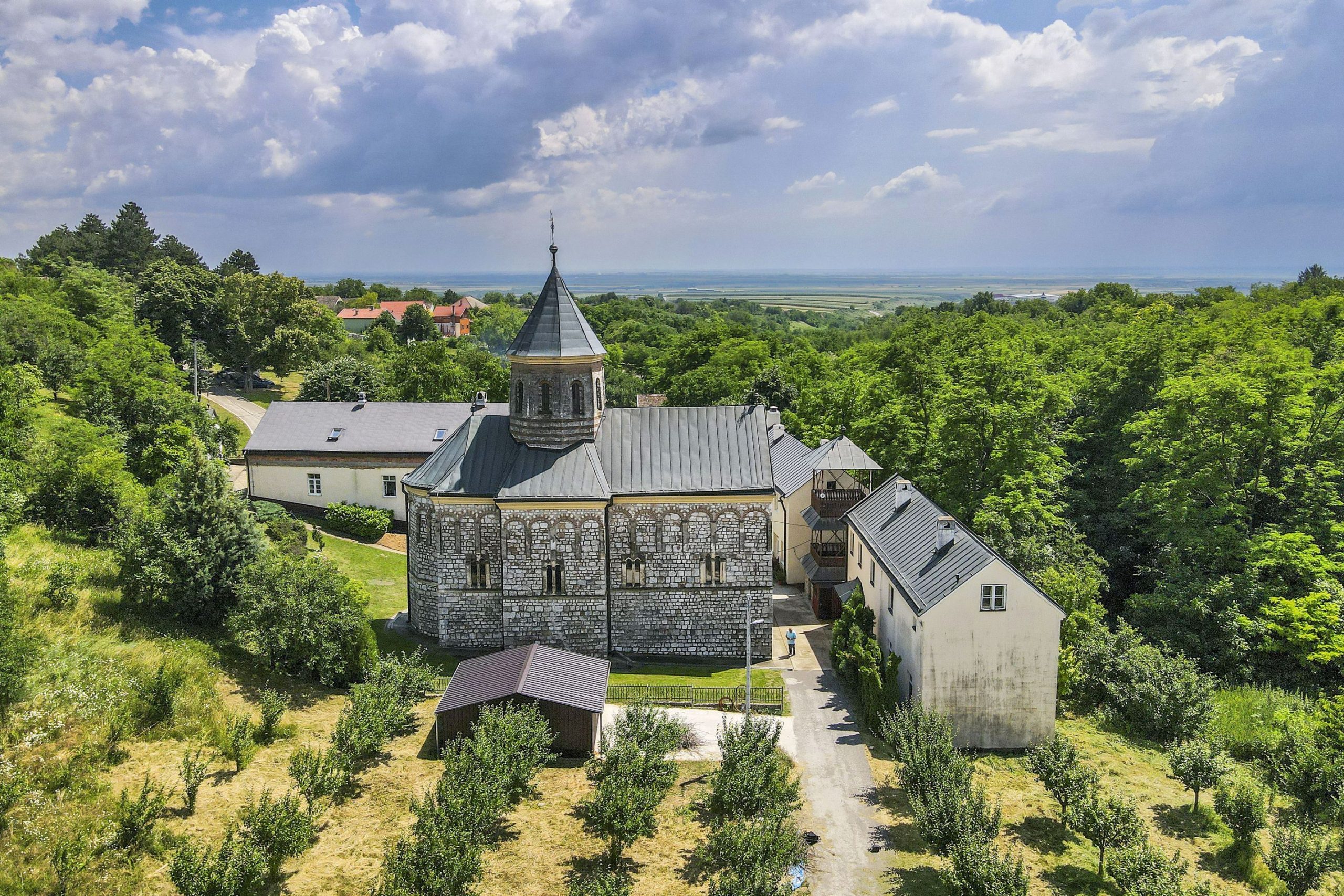
As many as thirty monasteries have been constructed throughout the history on Fruška Gora, which is why it has been given the name “Sacred Fruška Gora”. The unique cultural heritage of Fruška Gora is personified in its most important representatives, namely 16 monasteries that have been preserved till today. All of the monasteries were created during the period from the 15th till 18th century and are predominantly connected with the construction activities carried out by the Branković dynasty and resistance directed against the Turkish invaders.
The monasteries of Fruška Gora have stood for centuries as one of the most important harbours of spiritual life of the Serbs, as they used to be the epicentre of Serbian literacy, literary creativity and arts.

Stari Ledinci
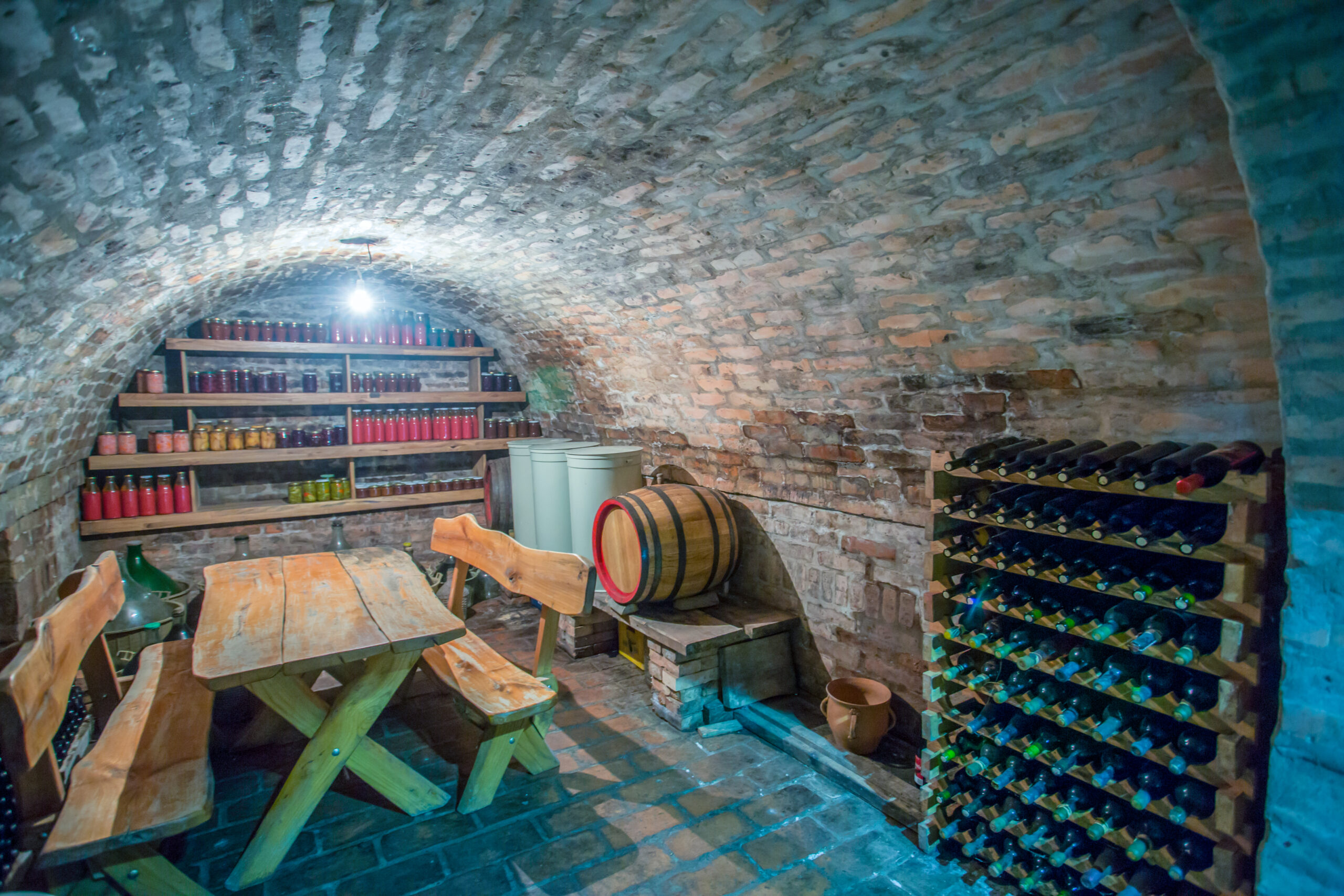
Stari Ledinci is the place located on the slopes of Fruška Gora, near Novi Sad. This is where one can find the estate of the Miljević family, which is famous for its wine production. In addition to the local cuisine and wines, such as the famous Burgundy and Traminac the visitors are offered the accommodation in local households and rural tourist household (3*).
Winery Miljević (Miljević Wine Cellar) (3*), Sime Šolaje 41, www.podrum-miljevic.co.rs
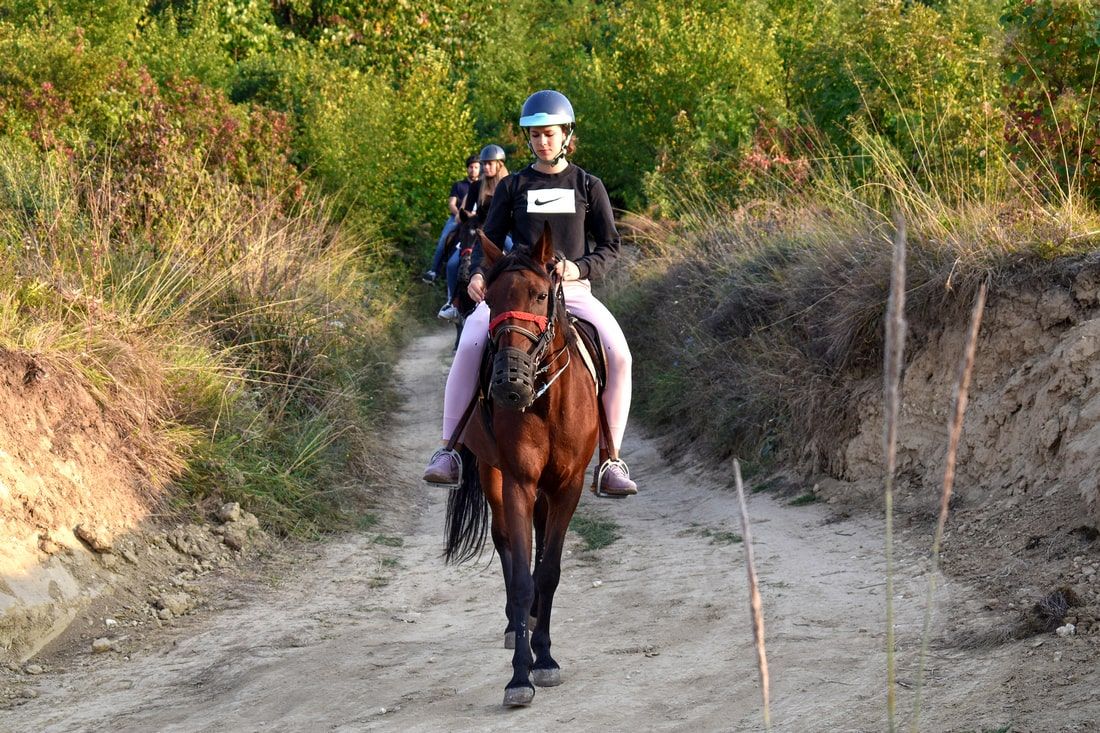
In Stari Ledinci, there is also “Šumska štala” (Forest Stable), which offers field horse riding in nature along the trails of Fruška Gora, riding lessons, as well as a summer equestrian camp for children.
Šumska štala, Stari Ledinci, Jovana Dučića Street; Announcement is required.www.sumskastala.rs
We recommend you to visit two family wineries and taste excellent wines on your way to Stari Ledinci. Prior announcements are required. Info: Podrum Šukac, Sremska Kamenica, Karađorđeva 4, phone: +381 63 720 13 07 and Family Winery Antonijević, Ledinci, Fruškogorska 1 Phone: +381 60 142 02 11. On the road to Stari Ledinci there is also the Restaurant Vidikovac, Samarski put Phone: +381 (0)65 80 80 168.
Rakovac and Beočin
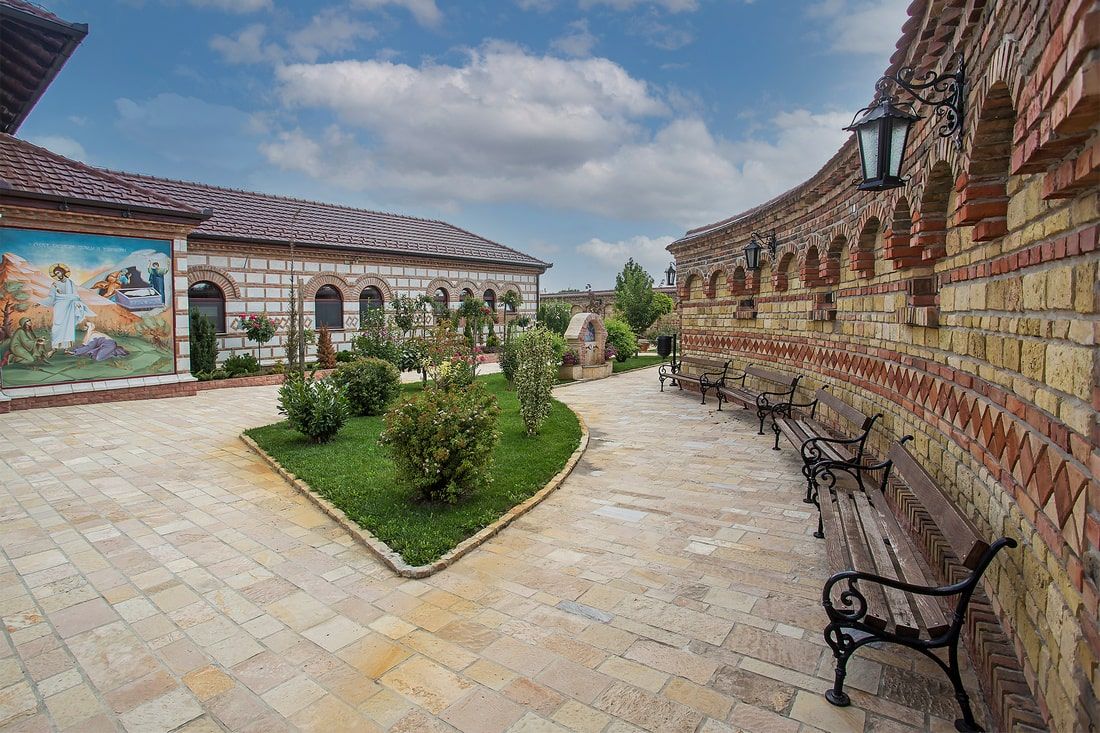
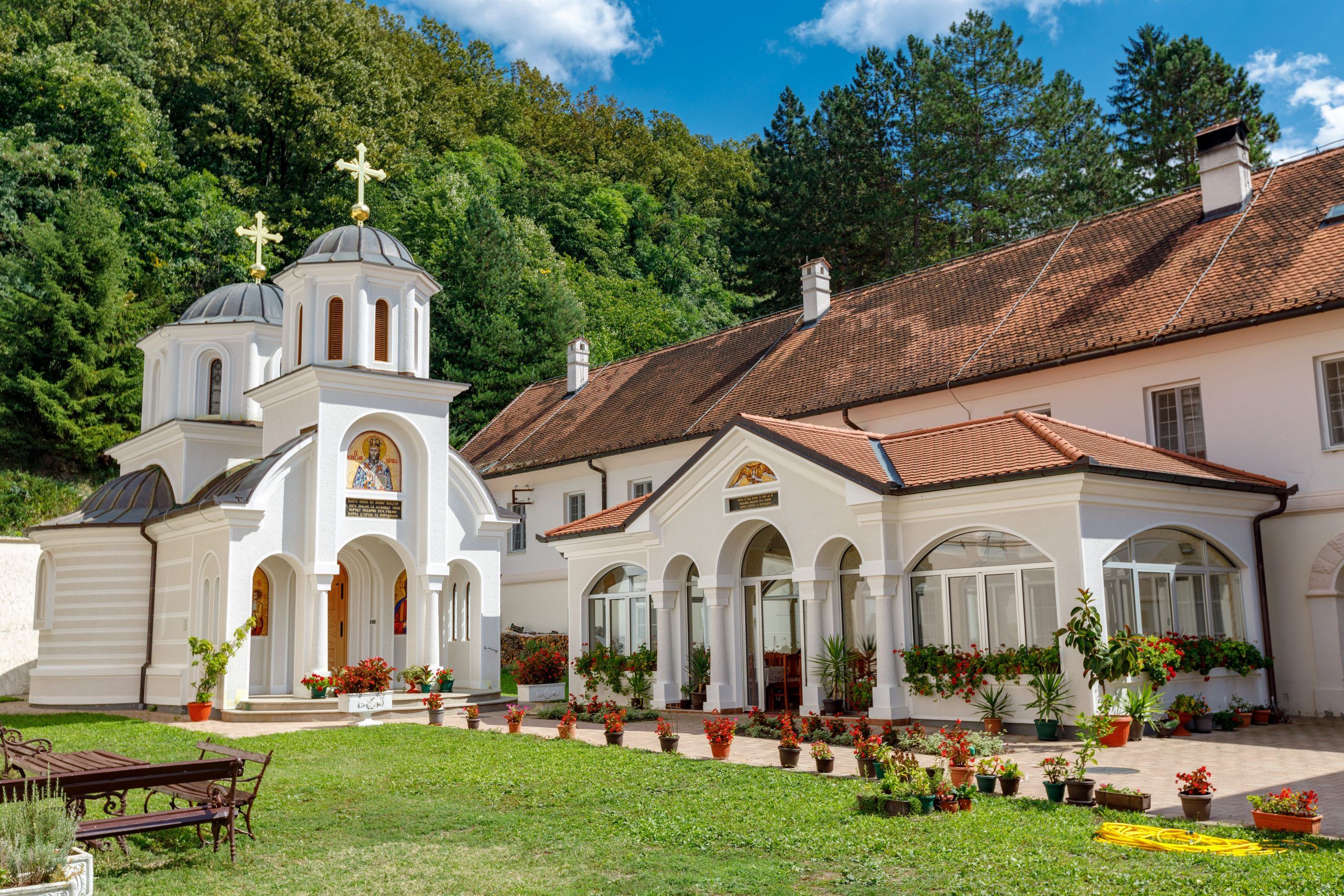
The settlements Rakovac and Beočin in the vicinity of Novi Sad accommodate two Serbian Orthodox monasteries.
According to the tradition, the Serbian Orthodox Monastery Rakovac was built by Raka Milošević, a Grand Chamberlain of despot Jovan Branković. The monastery is mentioned for the first time in written records dating back to 1545. It was restored at the end of the 17th century. The church of the monastery is dedicated to Saint Cosmas and Damian.
The first written records on the Serbian Orthodox Monastery Beočin date back to the 16th century. The present monastery church, dedicated to Christ’s Ascension dates back to the 18th century. The iconostasis is of great value and it is the work of Teodor Dimitrijević Kračun, Janko Halkozović and Dimitrije Bačević. The park surrounding the monastery is the protected example of landscape and garden architecture.

Čerević and Banoštor
Upon leaving Beočin and embarking on a road along the Danube, you will be arriving to the settlements of Čerević and Banoštor. The Roman Catholic Church of St. Joseph constructed in the 18th century dominates over the centre of an old settlement Čerević. Arsa Teodorović (1817) and Konstantin Pantelić (1835), two renowned Serbian painters, were hired to paint the iconostas for this church. The literary sources of the time say that a Roman epitaph was built in the walls of the Catholic church. The baroque style building of the Serbian Orthodox Church of St. Sava constructed in the 18th century is located in the vicinity. Čerević has a National Museum that preserves the legacy left behind the painter Milenko Šerban and sculptor Jovan Soldatović. The settlement itself is also renowned for numerous wine shops and wine cellars: Belo Brdo, Verkat and Žabić.
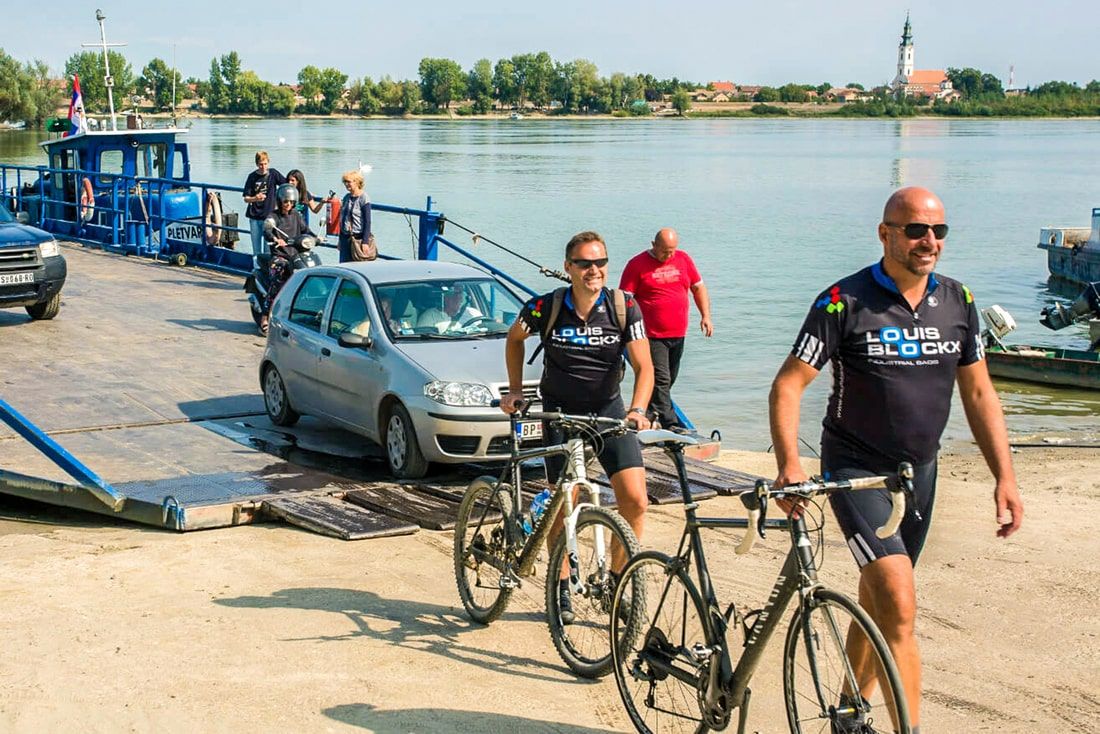
Ferries: We suggest that you plan your field trip during the summer period. Ferry Futog-Beočin commutes once per hour, while the ferry Banoštor –Begeč as needed. Additional info: www.novisad.travel
Local public buses depart from Inter-municipal bus station in Novi Sad Bulevar Jaše Tomić no. 6. Lines: Čerević (79), Banoštor (81).
Additional info on schedule of departures: www.gspns.co.rs
Banoštor is an old settlement. Banoštor is also called by its inhabitants a “village with two suns” because of the reflection coming from the mighty river of Danube considering that it is located at a meeting point between the Danube and slopes of Fruška Gora. The remains of the Roman Catholic Church of St. Rudolph that was constructed in 1913 by the count Rudolph Kotek from Futog dominate nowadays over the settlement. The visitors are highly recommended to visit the Serbian Orthodox Church of St. George constructed in 1682 at the time of Great Migrations of the Serbs lead by Arsenije Čarnojević. The church bells were donated by Mihajlo Pupin in 1925. Banoštor is a settlement of wine makers and wine growers, as well as home to some of the renowned wineries and wine cellars such as: Akademia Modele, Ačanski, Fruškogorski vinogradi, Stojković, Šijački, Urošević and Vinarium. The Women Association ”Majkina radionica” dealing with manufacture of souvenirs is also located in Banoštor.
Banoštor can be reached by ferry departing from Begeč, while the other ferry line connects Futog with the nearby Beočin. Crossing the Danube with a ferry is an interesting and pleasant occasion, while we recommend that you do it in summer or beginning of autumn.
Futog and its surroundings
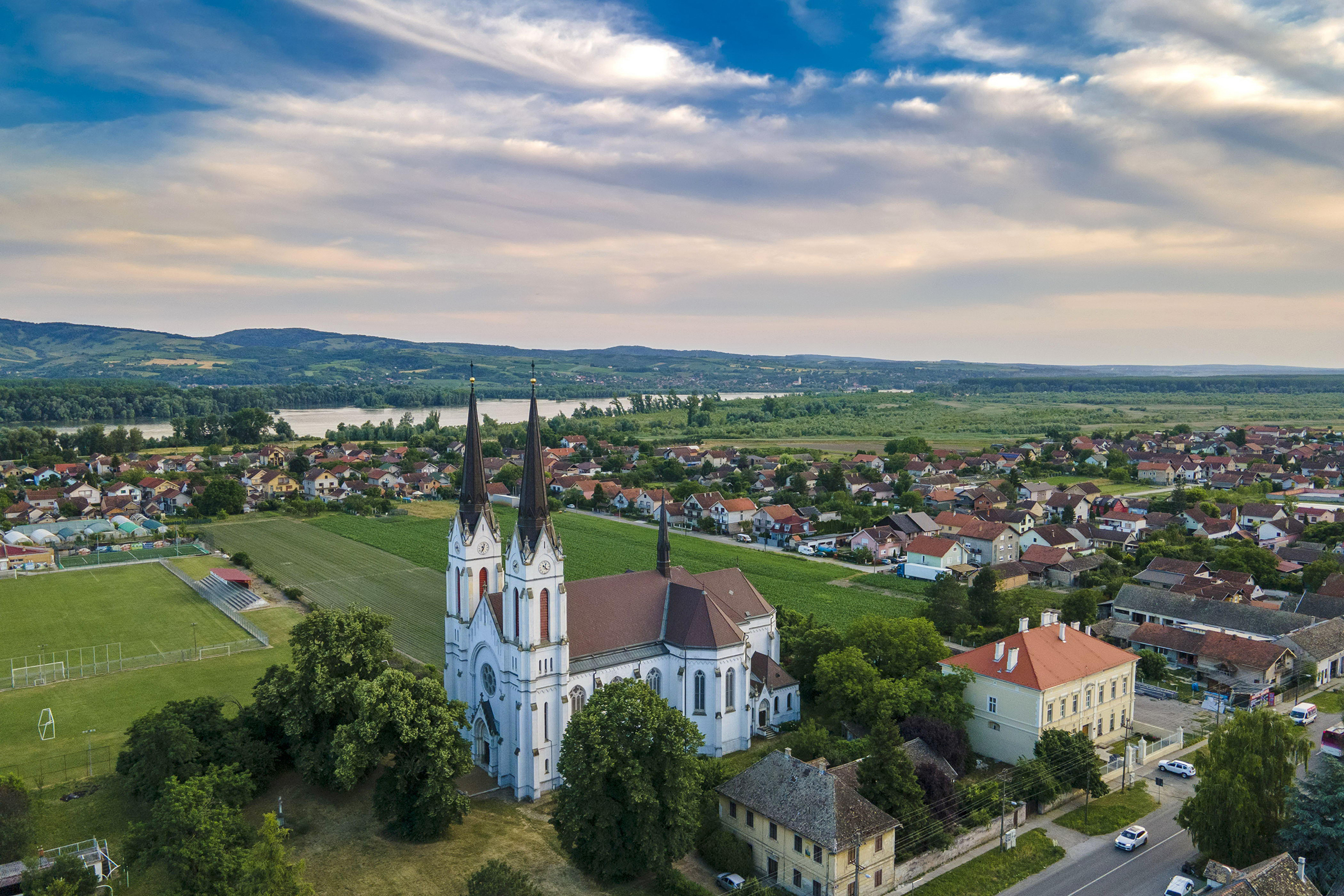
Futog is an old settlement that has nowadays been incorporated into the city of Novi Sad. The Roman Catholic Church of Jesus’ Heart with the Parish can be seen in its centre. The original church building was constructed by count Hadik in 1776. At the site of the old church, the Countess Chotek built a new one dedicated to Jesus’ Heart. Serbian Orthodox Church of St. Cosmas and Damian was built in Futog in 1776. The iconostasis was painted by Arsenije Teodorović, and wall painting is attributed to Janko Halkozović.
Futog is particularly renowned for its productionof cabbage, dating back to the 16th century according to the written records. The specifi c variety of cabbage is protected as a product with geographical origin. ”Futoška kupusijada (Futog cabbage festival)” is organised every year at the beginning of November as a way of paying tribute to cabbage. The above-mentioned event is a place of gathering for the cabbage producers, organising of competitions in preparing dishes made out of cabbage and choosing of the heaviest cabbage complemented by a rich cultural-entertaining programme.
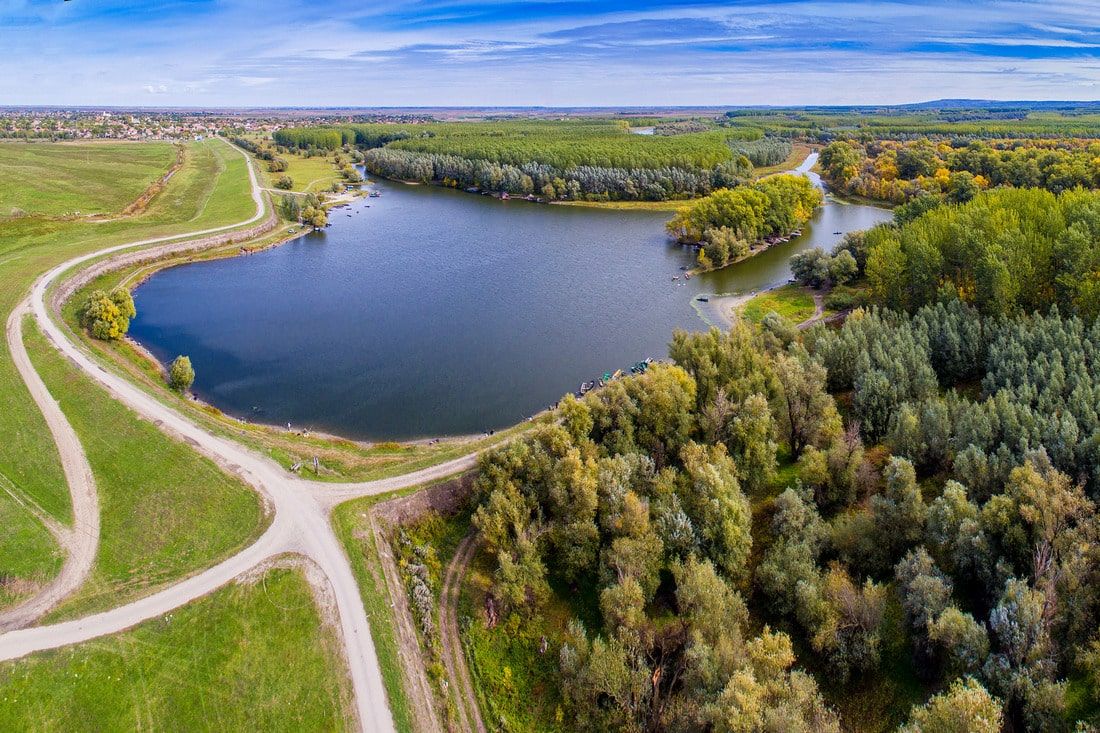
The Nature Park “Begečka Jama”, asignificant habitat for nesting birds’ borders with the settlement Begeč. The above-mentioned park is a home to fishing grounds, beach, weekend resort and restaurants.
In Futog there is Splav Plavi Dunav, 2x, Ribarska Street. In Begeč there are: Čarda kod Braše, 56, Begečka jama Street, +381 (0)21 299 9111; Čarda na jami, bb, Begečka jama Street, as well as Vinarija Vojnović, 76, Partizanska Street, +381 (0)69 226 00 26
Vinarija Vojnović is a small, family winery founded in 2016. It has a tasting room with a capacity of up to ten people, as well as a small sample vineyard within the winery that can host up to fi fteen people.
The program for tourists includes a tour of the winery with a presentation of the wine, tasting and shopping, training on the basics of tasting and snacks to separate the wines (a selection of cheeses and cured meats) or a kettle. Reservation is mandatory.
Info: Rimokatolička Crkva Srca Isusovog, catholic-su.rs; Srpska pravoslavna Crkva Svetih Vrača Kozme i Damjana, www.eparhijabacka.info
Kovilj and its surroundings
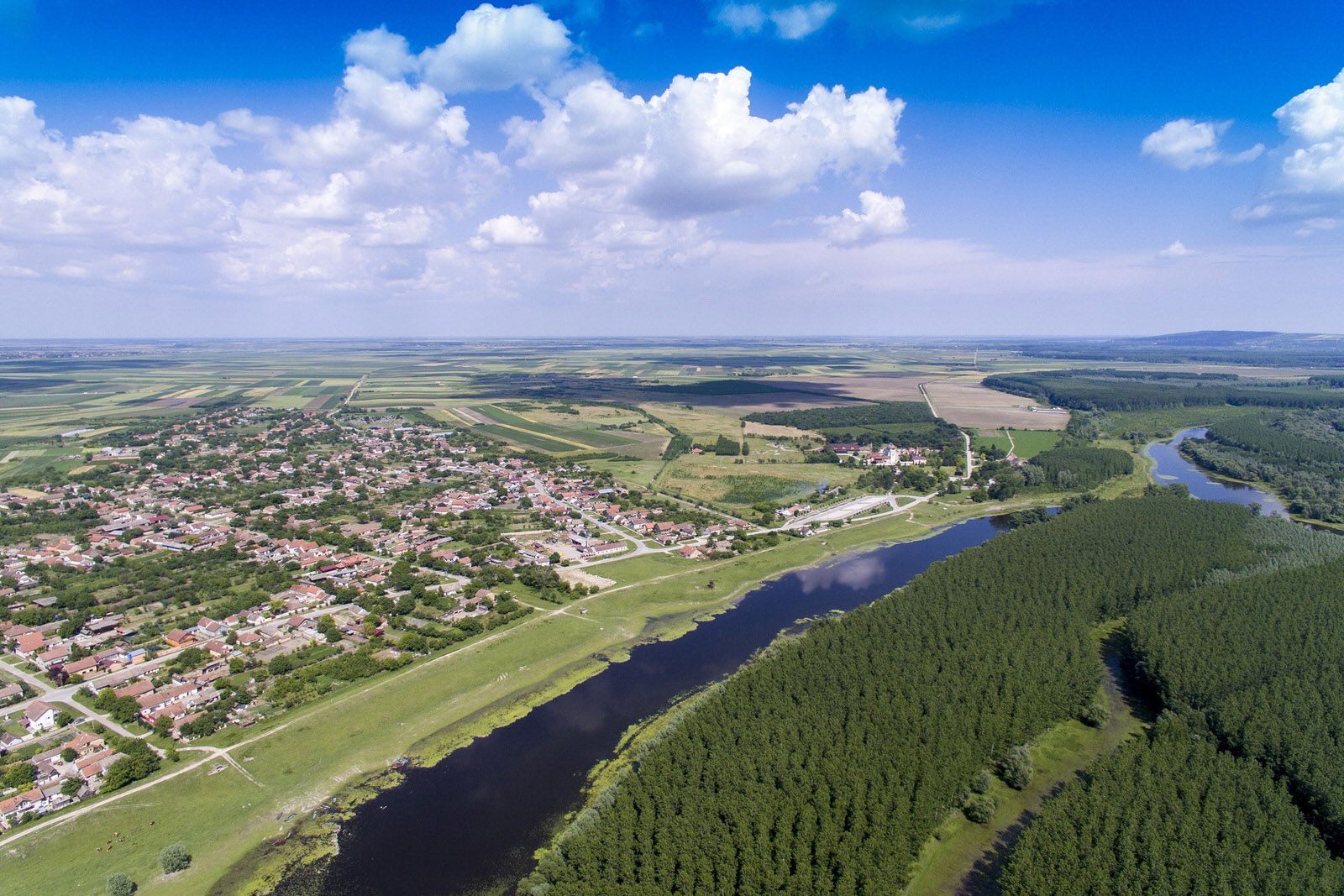
Kovilj is an old settlement in Bačka located at the edge of Koviljsko-petrovaradinski rit (Kovilj-Petrovaradin Marsh). Its name was mentioned in the records for the first time in the 13th century. The settlement has two churches and a monastery. Serbian Orthodox Monastery Kovilj with the church dedicated to St. Archangels Michael and Gabriel was founded by St. Sava.
Its name was mentioned in the records for the first time in the 17th century. The monastery has had its current outlook since the middle of the 18th century. The iconostasis was painted by Aksentije Marodić, while wood carved pieces were made by Jovan Kistner. Serbian Orthodox Church of Christ’s Ascension (Upper Kovilj Church) was built in 1829. Serbian Orthodox Church of St. Thomas the Apostle (Lower Kovilj Church) was built in 1845 at the site of an older church. The birth house of Laza Kostić (1841- 1910), a painter, poet, and interpreter is located next to the Upper Kovilj Church.
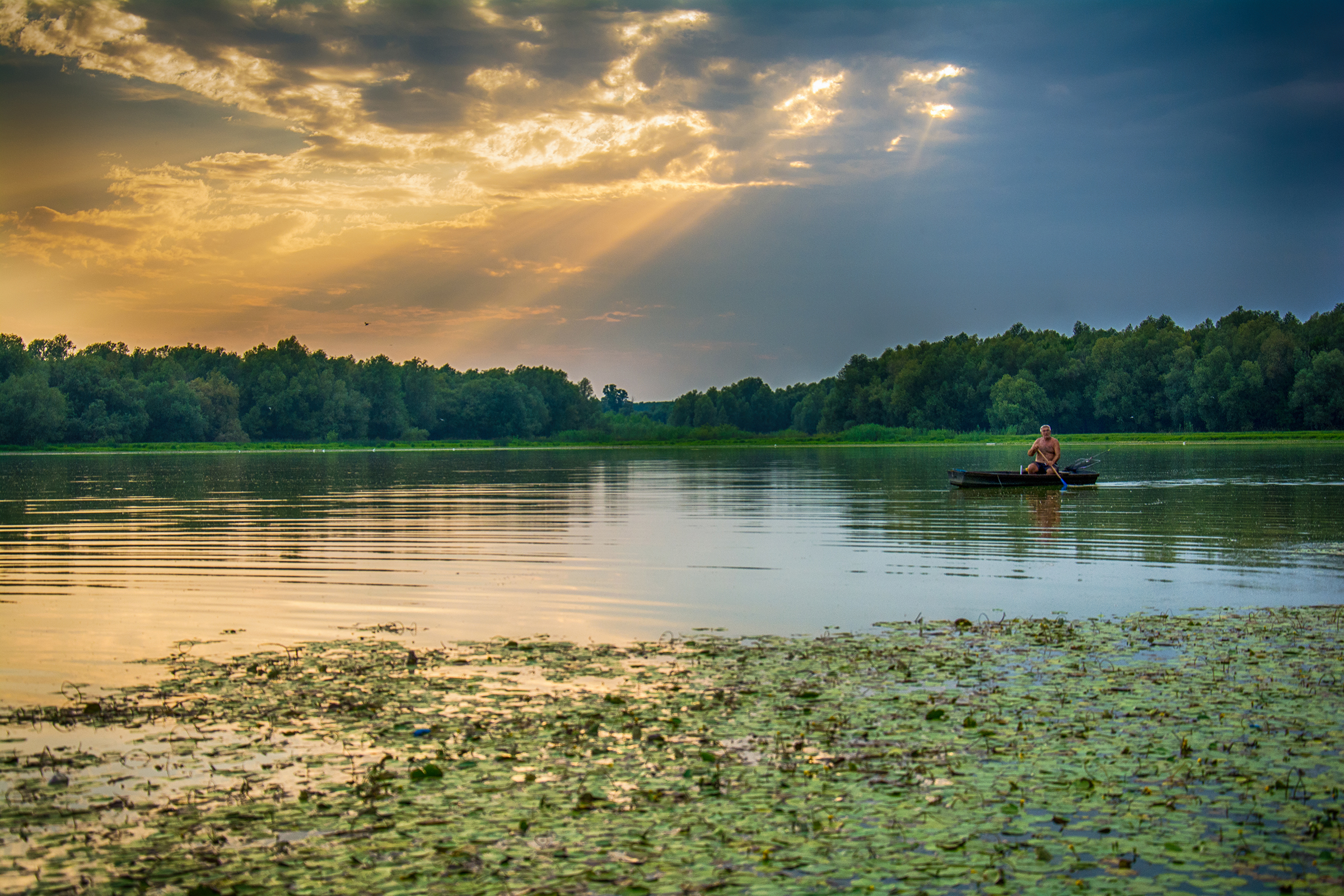
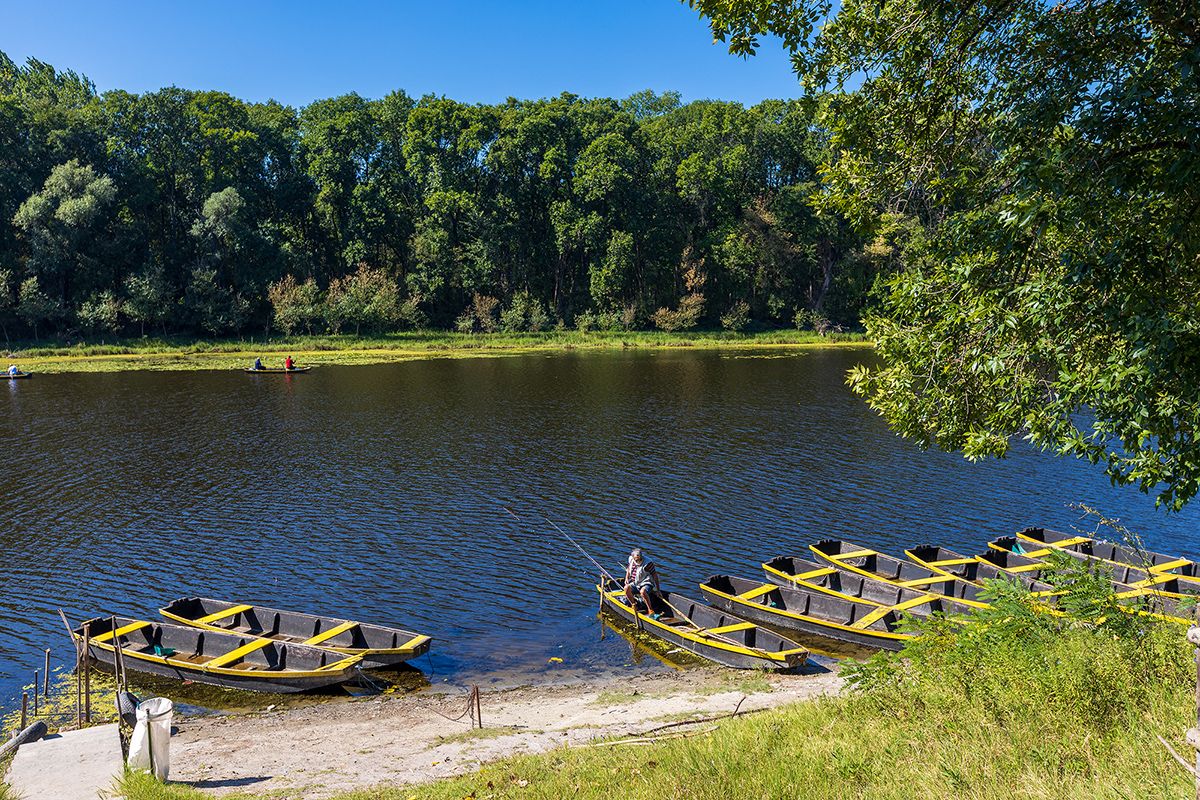
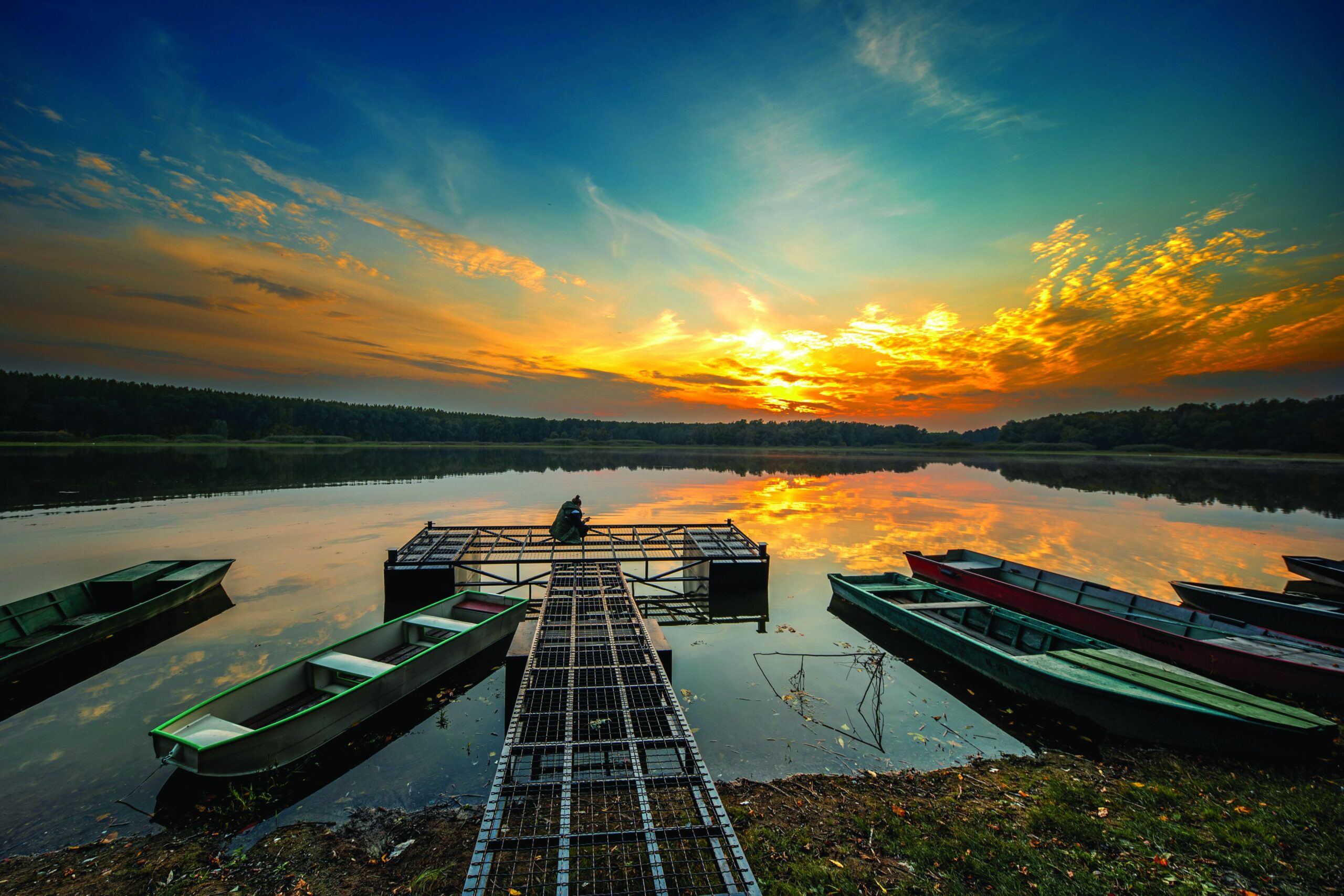
Koviljsko-petrovaradinski rit (Kovilj-Petrovaradin Marsh) is a special nature reservation spanning on 4,840 acres across the territories of municipalities of Novi Sad, Sremski Karlovci, Inđija and Titel. The spacious marshes were created on the old armlets of the Danube. It is a habitat for rare species of birds and as such registered as IBA area. Arkanj is a well known fishing resort. There is also a famous restaurant “Na kraj sveta Arkanj”.
Info: Monastery Kovilj + 381 (0)21 298 8020; e-mail: [email protected] (group visits need to be announced ahead); Agricultural holding of Sava Graorac +381 (0)21 298 8558, www.mangulicakovilj.rs (necessary to call ahead); Restaurant “Na kraj sveta Arkanj” +381 69 718 777; Public Company “Vojvodinašume” (boat tours) +381 (0)21 6432 401, www.vojvodinasume.rs
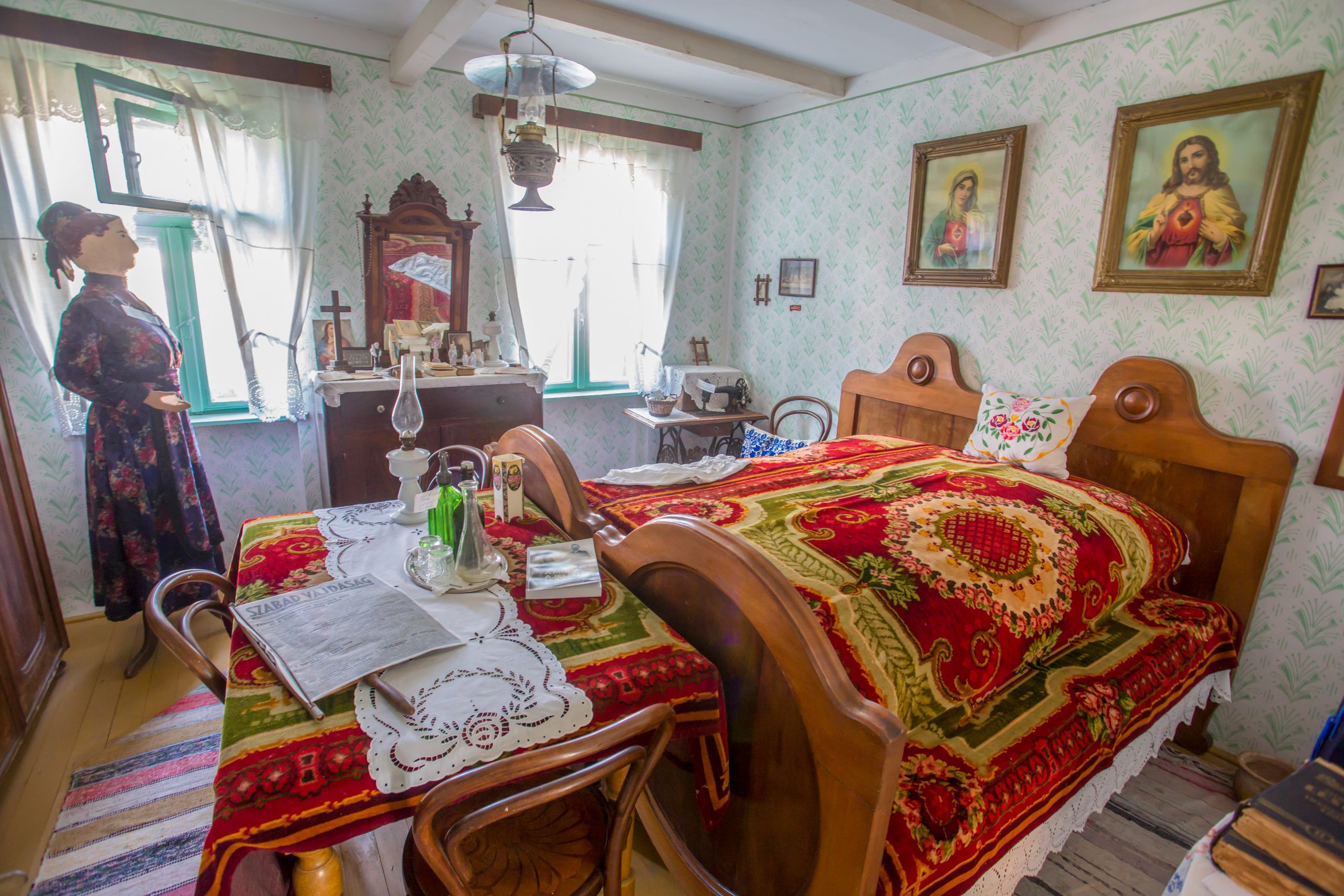
The settlements of Budisava and Kać are located in the vicinity of Kovilj. Budisava is a suburban settlement of Novi Sad. The centre of Budisava is dominated by the Roman Catholic Church of Assumption (the Holy Virgin Mary) constructed in neo-Gothic style in 1908. The tower of the church is 45 meters high with three bells. The ethno house built thanks to great effort of Mr. Tibor Milanović is located in the immediate vicinity of the church (first street to the right). The above-mentioned house is a home to the exhibition showing what was the interior and exterior like of the houses inhabited by the residents of Budisava at the crossing from the 19th to the 20th century. A collection of agricultural tools, devices that were used for tillage, an old well as well as a series of photographs depicting a social life of local people during the period between the two World Wars are located in the courtyard of the ethno house.
Info: Ethno House Budisava Cara Dušana street no. 110; it is necessary to call ahead: +381 (0)21 719 235 (9-14h); Rajšli Laslo, e-mal: [email protected]; Serbian Orthodox Monastery of Christ’s Ascension Kać, Sunčani breg; open for visits during the summer period from 6 a.m. till 19 p.m. and in winter from 6 a.m. till 18 p.m. Applications for group visits: +381 (0)21 621 33 12, [email protected]
Kać is 8 kilometres away from Novi Sad. The Serbian Orthodox Church of St. Nicholas constructed during the period from 1840 to 1844 is located in the centre of the settlement. The newly founded monastery of the Serbian Orthodox Church dedicated to Christ’s Ascension is also located in the immediate vicinity. Passionate fishermen can enjoy themselves in arranged fishing ground –Crni vir.
Since 2025, Novi Sad has become the first city in the Balkans with the prestigious accreditation of a Ramsar Wetland City for recognizing the importance of preserving wetlands. This significant international recognition confirms the commitment to the protection of these habitats and sustainable urban development in balance with nature.
The two most important natural assets, the Begečka Jama Nature Park and the Kovilj-Petrovaradin Marshes Special Nature Reserve, are an ideal example of how natural ecosystems can be preserved and at the same time used to develop a specific tourist offer. These habitats are home to rich flora and fauna, making Novi Sad a unique place that connects city life with untouched nature.